
Potential Chemoprevention of Diethylnitrosamine-Initiated and 2-Acetylaminofluorene-Promoted Hepatocarcinogenesis by Zerumbone From the Rhizomes of the Subtropical Ginger (Zingiber Zerumbet)
© Authored by PubMed
Topics:
Ginger
© HealthyMuslim. See Terms and Conditions
Copy Link
Email
Print
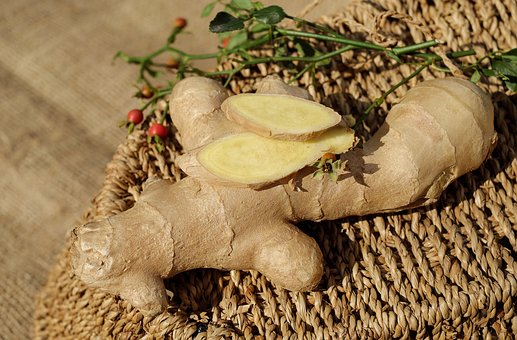
Ginger is an herb. The rhizome (underground stem) is used as a spice and also as a medicine. It can be used fresh, dried and powdered, or as a juice or oil. Ginger is commonly used to treat various types of "stomach problems," including motion sickness, morning sickness, colic, upset stomach, gas, diarrhea, nausea and vomiting after surgery, as well as loss of appetite. Other uses include treating upper respiratory tract infections, cough, and bronchitis.
Taha MM, Abdul AB, Abdullah R, Ibrahim TA, Abdelwahab SI, Mohan S. Potential chemoprevention of diethylnitrosamine-initiated and 2-acetylaminofluorene-promoted hepatocarcinogenesis by Zerumbone from the rhizomes of the subtropical ginger (Zingiber zerumbet). 1. Chem Biol Interact. 2010 Aug 5;186(3):295-305. Epub 2010 May 7.
Taha MM, Abdul AB, Abdullah R, Ibrahim TA, Abdelwahab SI, Mohan S. Potential chemoprevention of diethylnitrosamine-initiated and 2-acetylaminofluorene-promoted hepatocarcinogenesis by Zerumbone from the rhizomes of the subtropical ginger (Zingiber zerumbet). 1. Chem Biol Interact. 2010 Aug 5;186(3):295-305. Epub 2010 May 7.
Zerumbone (ZER), a monosesquiterpene found in the subtropical ginger (Zingiber zerumbet Smith), possesses antiproliferative properties to several cancer cells lines, including the cervical, skin and colon cancers. In this study, the antitumourigenic effects of ZER were assessed in rats induced to develop liver cancer with a single intraperitoneal injection of diethylnitrosamine (DEN, 200 mg/kg) and dietary 2-acetylaminofluorene (AAF) (0.02%). The rats also received intraperitoneal ZER injections at 15, 30 or 60 mg/kg body wt. twice a week for 11 weeks, beginning week four post-DEN injection. The hepatocytes of positive control (DEN/AAF) rats were smaller with larger hyperchromatic nuclei than normal, showing cytoplasmic granulation and intracytoplasmic violaceous material, which were characteristics of hepatocarcinogenesis. Histopathological evaluations showed that ZER protects the rat liver from the carcinogenic effects of DEN and AAF. Serum alanine transaminase (ALT), aspartate transaminase (AST), alkaline phosphatase (AP) and alpha-fetoprotein (AFP) were significantly lower (P<0.05) in ZER-treated than untreated rats with liver cancer. The liver malondialdehyde (MDA) concentrations significantly (P<0.05) increased in the untreated DEN/AAF rats indicating hepatic lipid peroxidation. There was also significant (P<0.05) reduction in the hepatic tissue glutathione (GSH) concentrations. The liver sections of untreated DEN/AAF rats also showed abundant proliferating cell nuclear antigen (PCNA), while in ZER-treated rats the expression of this antigen was significantly (P<0.05) lowered. By the TUNEL assay, there were significantly (P<0.05) higher numbers of apoptotic cells in DEN/AAF rats treated with ZER than those untreated. Zerumbone treatment had also increased Bax and decreased Bcl-2 protein expression in the livers of DEN/AAF rats, which suggested increased apoptosis. Even after 11 weeks of ZER treatment, there was no evidence of abnormality in the liver of normal rats. This study suggests that ZER reduces oxidative stress, inhibits proliferation, induces mitochondria-regulated apoptosis, thus minimising DEN/AAF-induced carcinogenesis in rat liver. Therefore, ZER has great potential in the treatment of liver cancers.
Link to this article: Show: HTML Link • Full Link • Short Link
Share or Bookmark this page: You will need to have an account with the selected service in order to post links or bookmark this page. 


|
Subscribe via RSS or email: Follow us through RSS or email. Click the RSS icon to subscribe to our feed. 

|
Related Articles:
- Synbiotic (Probiotic and Ginger Extract) Loaded Floating Beads: A Novel Therapeutic Option in an Experimental Paradigm of Gastric Ulcer
- 4-Shogaol, an Active Constituent of Dietary Ginger, Inhibits Metastasis of MDA-MB-231 Human Breast Adenocarcinoma Cells by Decreasing the Repression of NF-?B/Snail on RKIP
- Inhibition of LPS Binding to MD-2 Co-Receptor for Suppressing TLR4-Mediated Expression of Inflammatory Cytokine by 1-Dehydro-10-Gingerdione From Dietary Ginger
- Zerumbone, a Southeast Asian Ginger Sesquiterpene, Induced Apoptosis of Pancreatic Carcinoma Cells Through P53 Signaling Pathway
- Variation in Concentration and Labeling of Ginger Root Dietary Supplements
- Ginger Root Associated with Preventing Colon Cancer, Study
- Ginger: An Excellent Natural Remedy
- Ginger Beneficial for Relieving Pregnancy-Related Nausea
- Ibn al-Qayyim: Ginger is Beneficial for Digestion, Eyesight and Nausea Among Other Benefits
- Spices for Health
You must be registered and logged in to comment.

Most Popular



Latest Articles



Popular Subjects
Health, fitness and longevity
Based upon the principles of health
in the Qur'an and Prophetic Traditions.
HealthyMuslim.Com
There are two bounties in which
most people lose out: good health
and free time. Al-Bukhari.
The information on this site is provided for educational purposes only. It is not intended as a substitute for professional advice of any kind.