Wednesday, 07 January 2009    HomeAbout UsSpread the Word!Contact Us     


Flax Seed, Black Seed Oil and Honey Oat Porridge - Absolutely Great For Your Health
Filed under: Recipes
Tuesday, October 21 2008 - by HealthyMuslim
Key topics: Black Seed Oil Oats Porridge Flax Seeds

Mail to a FriendPrinter friendly

The black seed (nigella sativa) is well known in the Islamic tradition to be a cure for disease. From the statements of the Prophet (sallallaahu alayhi wa sallam) are that, "The black seed is a cure for every disease". Much research has been done and is under way to investigate and substantiate the health benefits and anti-disease activity of the black seed (nigella sativa).

Flax seeds contain large amounts of omega-3 fatty acids, essential for good all round health (as well as brainpower). This porridge is great as a dietary regulator, helping to keep your digestive system in good order.

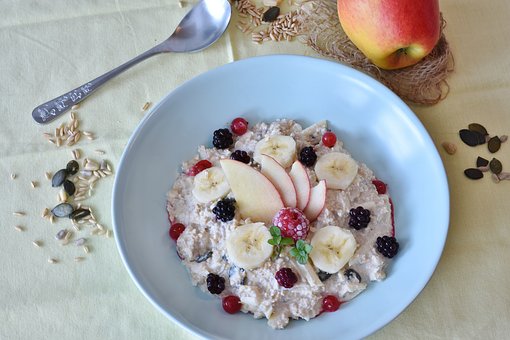
We like to start our day with a couple of glasses of water followed by this porridge around half an hour later. It tastes delicious too when you add some honey to it. This recipe makes porridge for one serving

Ingredients

Preparation

In a pan, place the oat flakes and water and steadily bring to a boil. Meanwhile grind the flax seeds in a coffee grinder. You should always grind flax seeds at the point of using them in the recipe, since once they are ground, they start to lose their goodness after 10-15 minutes.

Add the ground flax seeds into the pan, mix thoroughly, and then bring to a boil again. After this leave the porridge to stand off the heat for 8-10 minutes.

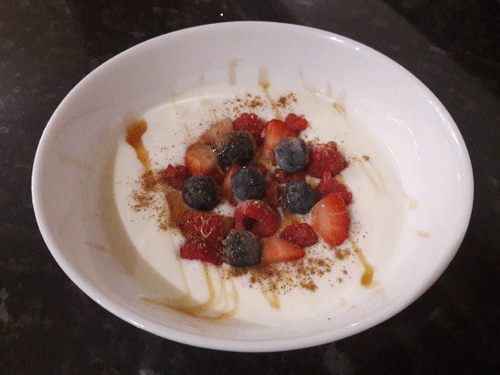
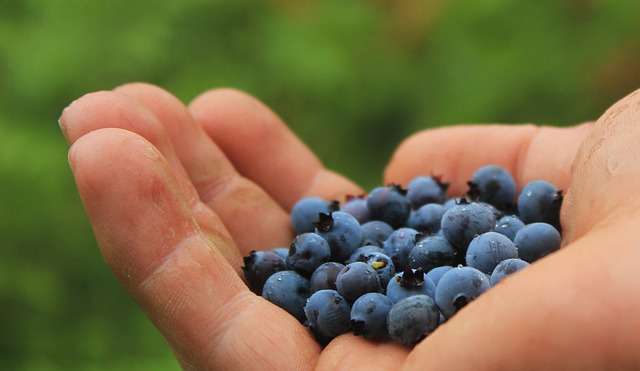
Add the black seed oil and the honey to the porridge when serving. If you want, you can add some blueberries and strawberries at the end.

It is so simple to make and extremely good for you.

Enjoy!


Link to this article:   Show: HTML LinkFull LinkShort Link
Related Articles:
Comments


  1
Mohammad - posted on Thursday, 23 October 2008 03:48

Assalaamu'alaikum.

I heard that you have to use non-metallic spoons when scooping honey to maintain its nutritional value. Is this true? Does that mean I have to eat foods such as this recipe using non-metallic spoons to enjoy its full benefit?


  2
HealthyMuslim - posted on Thursday, 23 October 2008 05:09

Wa alaykum us salaam.

This has been said due to honey have a low pH value, and hence being acidic (around pH 4). There is no hard evidence for this to date, or any demonstration that a metal spoon affects the quality of the honey. When it is used in most instances it is used very quickly and contact with the honey is for a short time.

However caution should be taken against aluminium, as that is a neurotoxin and is found in many utensils. Avoid using aluminium utensils.


  3
AbuAbdullah - posted on Monday, 24 November 2008 17:30

Mashallah very good!


Add a Comment (comments are currently moderated)
Name (required)
Email (required - will not be published)
Website (optional)
Comment
    Word verification:

Enter the characters you see in the picture


Article Serialization on Important Topics


Search This Site
Latest Articles
Ibn al-Qayyim: Siwak Has Numerous Benefits for Oral Hygiene
Ibn al-Qayyim: Cress is Beneficial for the Stomach, Asthma and Hair Loss
The Spice Nutmeg is Haraam (Unlawful)
Ibn al-Qayyim: Quinces are Beneficial When Eaten Cooked
Ibn al-Qayyim: Aloe has Many Benefits for Cleansing, Headaches, and Other Ailments
Cinnamon - A Highly Effective and Lethal Natural Antibiotic
Ibn al-Qayyim: Dates Are A Nourishing Fruit
Yemeni Sidr Honey Is Beneficial for Sinus Problems
Ibn al-Qayyim: Lentils Eaten Whole Are More Beneficial
Ibn al-Qayyim: Cucumber is Beneficial When Eaten with Dates
Latest Comments
Isn't it more healthy to eat fruits rather than drink juices? Or are there some exceptions? For exam ...
by Sajid (1 days ago)
HOWASHAFI, HE (ALLAH ) IS THE ONLY SHAFI Dear all Aslamoalikum WRU I read your news article ab ...
by Mohamed Ali (5 days ago)
Assalaamu alaykum wa rahmatullah wa barakatuhu Re. therapists directory: MashaAllaah if you em ...
by Umm Husamuddin (1 weeks ago)
Masha'allaah an excellent website. May Allaah reward you greatly for your efforts. Keep up the exce ...
by Umm Sulaymaan (1 weeks ago)
I am looking to grow blueberries in Kenya. From the little I know I believe I would be growing the " ...
by Taiz (1 weeks ago)
As-salaam alaykum I would like to suggest to use the miswak/siwak as Prophet Muhammed (salAllahu ...
by Adnan (1 weeks ago)
As-salaamu alaykum I've been taking a teaspoon every morning for the past nine months and my syst ...
by bin yousef (1 weeks ago)
Assalamu Alaikum: This is good to know. My 14 year old is Asthmatic and I have two other younger ...
by Medinah (1 weeks ago)
MashaAllah, very interesting article. I learned something new today alhamdulillah. I've never used m ...
by Talha Shahid (1 weeks ago)
for colds ,flu etc using a good vitamin c supplement highly recommended also vitamin e,betacarotene ...
by abdul kareem (1 weeks ago)
Most Popular
Five Superfoods You Should Be Eating Everyday
Deodorant And Anti-Perspirant Dangers - Do You Know What You're Putting Under Your Armpits?
Are You Drinking Living Milk Or Dead Milk?
Flax Seed, Black Seed Oil and Honey Oat Porridge - Absolutely Great For Your Health
The Different Kinds Of Exercises Your Body Needs
How To Eat Fruit Properly
What Foods Are Good For Your Eyesight?
Superfoods For Your Brain
Calculate Your Body Mass Index (BMI) Value
The Fluoride Deception by Christopher Bryson

Tags
acid acne aerobic exercise air alkaline allergies almonds aloe aloe vera alum stone aluminium Alzheimer's anthocyanidins anthocyanins anti-aging antibacterial antibiotic antimicrobial anti-microbial antiobiotics antioxidant anti-perspirant appendicitis apple aspartame assimilation asthma autism avocado avocados banana barley basil bathroom Beta-carotene bioflavonoids black seed black seed oil blueberries blueberry body mass index brain breast feeding breastfeeding broccoli brown rice brussel sprouts Budwig Protocol cabbage caffeine calcium cancer carbohydrates cardiovascular carrot cataracts cell phone cereals chickpeas chilli cinnamon Codex Alimentarius coffee cold colic combining foods compost cottage cheese cress cucumber cupping curcumin dates dehydration deodorant depression DHA diet digestion digestive cycles dips dopamine eating habits echinacea eggs EPA essential fatty acids essential oil exercise eye exercises eyesight falafel fats fatty acids fenugreek fertility fibre fig flax oil flax seeds flu fluoridated water fluoride fluoride-free toothpaste fluorosis food combination food digestibility fruit gardening garlic ginger goji berry grapes green tea hair headache herbs hijama homogenized milk honey household products hummus immune system intoxicants iron irritable bowel Johanna Budwig juice kale lavender lentil soup lentils lifespan linus pauling live long long life longevity lutein medicine mercury metabolism milk mind minerals miswak MMR mobile phone mold monounsaturated fats natural natural health nigella sativa night shift nutmeg nutrition nuts oats obesity olive oil olives omega-3 omega-6 onions orange organic papaya parabens Parkinson's disease parsley pasteurization pasteurized milk personal care personal care products pH phosphorus pollution polyphenols polyunsaturated fats pomegranate porridge postnatal depression postpartum depression potassium pregnancy probiotics propylene glycol prostate cancer quark quince raisins raspberries raw milk resveratrol rice running salad salt saturated fats senna serotonin sinusitis siwak SLS sodium sodium lauryl sulfate spices spinach sprout sprouting strawberries sulphur superfoods sweetener talbina tea Thimerosal thinking tomato toothpaste toxic trace elements trace minerals triclosan turmeric type 2 diabetes vaccination vaccinations vaccines vegetables viral infections Vitamin A Vitamin C vitamin D Vitamin E walking water water fluoridation watercress watermelon weight loss zinc

Archives
January 2009
December 2008
November 2008
October 2008
September 2008


This site provides information for the purpose of education only. The content on this site is not intended as an alternative for professional consultation and advice. HealthyMuslim.Com does not hold any responsibility for use of this material in any form. Use of our website indicates your agreement to our terms and conditions. All trademarks mentioned on this site are the intellectual property of the respective owners.

© 2008 HealthyMuslim.Com. All rights reserved.
Your guide to Muslim health Muslim diet Islam health