
Ibn al-Qayyim: Henna Has Many Benefits from Treating Headaches to Burns
© HealthyMuslim. See Terms and Conditions
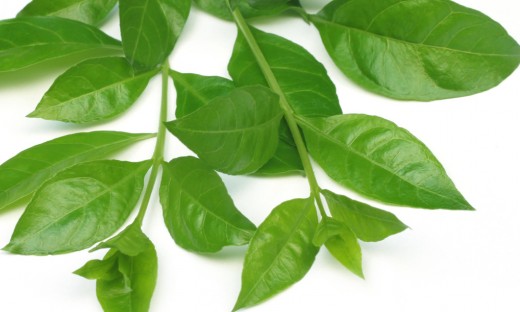
- Useful for burns caused by fire
- Beneficial for mouth ulcers and blisters in the mouth, when chewed
- Heals thrush in the mouth of children
- Beneficial for blisters on the body
- Bandaging with henna is beneficial for hot inflammations
- Mixing henna flowers with warm wax and rose oil is beneficial for pains
- Placing its flowers between the folds of wool cloths scent them and keep moths away
- When applied to fingernails as a paste, it improves their condition
- Makes the hair grow, and strengthens and beautifies it.
What Is henna?
Henna (hina) is a flowering plant with the botanical name lawsonia inermis. It contains a red-orange pigment, lawsone, also known as hennotannic acid. This pigment is released by crushing the henna leaves in an acidic medium. The lawsome molecules will then have the ability to stain, and when applied to the skin they migrate to the outermost layer or cuticle, and stain them.
Commercially available henna powder is made by drying the henna leaves and milling them to a powder, which is then sifted.
To use henna, the powder is mixed with water and/or lemon juice, to form a smooth paste. The henna mix must rest for 6 to 12 hours so that the leaf cellulose is dissolved, making the lawsone available to stain the skin. The longer the paste is left on the skin or hair, the more the lawsone will migrate, thus making the staining darker.
Health Benefits of Henna
Various studies have researched into the benefits of the henna plant on health. One study found that henna has natural antimicrobial properties, such as being antibacterial and antiviral.[1]
"Henna has a wide spectrum of antimicrobial activity including antibacterial, antiviral, antimycotic and antiparasitic activities. With the ever increasing resistant strains of microorganisms to the already available and synthesised antibiotics, the naturally available Laswonia inermis (henna) could be a potential alternative."
A study carried out in the UAE found that the henna plant had the medicinal properties of reducing inflammations, and being a pain reliever. [2]
A research paper published in 2005 found that henna leaves inhibit the growth of certain microorganisms, and could therefore be used to treat burn wound infections. [3]
This modern research provides evidence for some of the health benefits that Ibn al-Qayyim mentioned about henna over 600 years ago.
Tips on Using Henna
- Fresh henna powder should be a vibrant and deep green, whilst old henna may appear slightly brown.
- Commercial henna pastes may contain additional ingredients to enhance their staining-power, and some are unsafe so always check the label. Black henna is especially harmful as it may contain para-phenylenediamine (PPD), a chemical that can cause itching, blistering and scarring.
- Adding essential oils with high levels of monoterpenes or terps such as tea tree, eucalyptus, cajeput, or lavender to the henna paste will improve its staining ability.
References
- [1] O.A. Habbal, A.A. Al-Jabri, A.G. El-Hag. (2007) antimicrobial properties of Lawsonia inermis: a review. Australian Journal of Medical Herbalism.
- [2] Ali, B. H., A. K. Bashir, et al. (1995). Anti-inflammatory, antipyretic, and analgesic effects of lawsonia inermis L. (henna) in rats. Pharmacology Basel 51(6): 356-363. {a} P.O. Box 17777, Al Ain, United Arab, United Arab Emirates.
- [3] H. S. Muhammad and S. Muhammad. (2005) The use of lawsonia inermis linn. (henna) in the management of burn wound infections African Journal of Biotechnology Vol. 4 (9), pp. 934-937.
Link to this article: Show: HTML Link • Full Link • Short Link
Share or Bookmark this page: You will need to have an account with the selected service in order to post links or bookmark this page. 


|
Subscribe via RSS or email: Follow us through RSS or email. Click the RSS icon to subscribe to our feed. 

|
Related Articles:
Add a Comment
You must be registered and logged in to comment.

Most Popular

Latest Articles

Popular Subjects
Health, fitness and longevity
Based upon the principles of health
in the Qur'an and Prophetic Traditions.
HealthyMuslim.Com
There are two bounties in which
most people lose out: good health
and free time. Al-Bukhari.