Saturday, 04 July 2009    HomeAbout UsUsing this SiteSpread the Word!Contact Us     


Dr Russell Blaylock: The Truth Behind The Vaccine Cover-Up
Filed under: Body
Friday, November 21 2008 - by HealthyMuslim
Key topics: Vaccination Mercury Vaccines

Mail to a FriendPrinter friendly

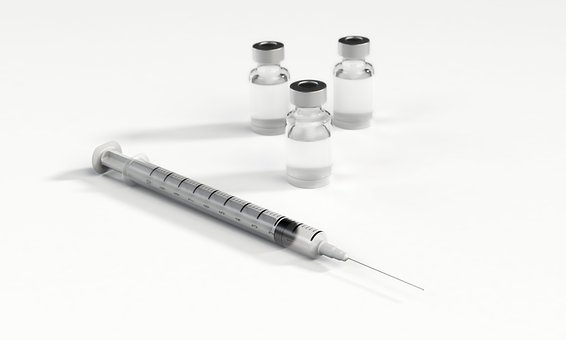
An excellent paper by Russell Blaylock, giving you an insight into how things really work behind the scenes. Thimerosal is a mercury solution that is used as a preservative in vaccines, and there is established evidence of the direct link between mercury and neurological damage. However, the issue is not limited just to mercury as formaldehyde and aluminium are also use in most vaccines. Although not the subject of this article, these elements also have their own detrimental effects in combination.

You can download all the documented proof in PDF further below. From his abstract:

On June 7-8, 2000 a secret conference was held at the Simpsonwood Conference Center in Norcross, Georgia to discuss a study examining the link between increasing doses of Thimerosal and neurodevelopmental disorders. The study was done using the Vaccine Safety Datalink (VSD) database,an official governmental data bank collecting patient vaccination information on the children from the health maintenance organizations (HMOs) being paid to participate. Attending were 51 scientists, representatives of pharmaceutical vaccine manufacturing companies and a representative of the World Health Organization; the public and the media were unlawfully excluded.

The conclusions of this meeting were quite startling, since it confirmed a dose-response link between Thimerosal and neurodevelopmental disorders that held up to rigorous statistical analyses.

In their discussion, they make plain why the meeting was held in secret: the conclusions would have destroyed the public's confidence in the vaccine program, and more importantly, their faith in vaccine authorities.

When the results of this study were published three years later in the journal Pediatrics, the problem had been fixed, in that by adding another set of data from a third HMO, reorganizing the criteria for inclusion and restructuring the patient groupings, a less than statistically significant link was demonstrated. In my analysis I discuss the more outrageous statements made during the meeting and how accepted experts in the field of mercury neurotoxicity were excluded from the meeting.

And these are the opening paragraphs of the paper:

I was asked to write a paper on some of the newer mechanisms of vaccine damage to the nervous system, but in the interim I came across an incredible document that should blow the lid off the cover-up being engineered by the pharmaceutical companies in conjunction with powerful governmental agencies.

It all started when a friend of mind sent me a copy of a letter from Congressman David Weldon, M.D. to the director of the CDC, Dr Julie L. Gerberding, in which he alludes to a study by a Doctor Thomas Verstraeten, then representing the CDC, on the connection between infant exposure to thimerosal-containing vaccines and neurodevelopmental injury. In this shocking letter Congressman Weldon referrers to Dr. Verstraeten's study which looked at the data from the Vaccine Safety Datalink and found a significant correlation between Thimerosal exposure via vaccines and several neurodevelopmental disorders including tics, speech and language delays, and possibly to ADD.

Congressman Weldon questions the CDC director as to why, following this meeting, Dr. Verstraeten published his results, almost four years later, in the journal Pediatrics to show just the opposite, that is, that there was no correlation to any neurodevelopmental problems related to Thimerosal exposure in infants. In this letter, Congressman Weldon refers to a report of the minutes of this meeting held in Georgia, which exposes some incredible statements by the "experts" making up this study group. The group's purpose was to evaluate and discuss Dr. Verstraeten's results and data and make recommendation that would eventually lead to possible alterations in the existing vaccine policy.

I contacted Congressman Weldon's legislative assistant and he kindly sent me a complete copy of this report. Now, as usual in these cases, the government did not give up this report willingly, it required a Freedom of Information Act lawsuit to pry it loose. Having read the report twice and having carefully analyzed it; I can see why they did not want any outsiders to see it.

It is a bombshell, as you shall see.

In this analysis, I will not only describe and discuss this report, but also will frequently quote their words directly and supply the exact page number so others can see for themselves.

View the above paper in its entirety in PDF Format:
Dr. Russell Blaylock - The Truth Behind the Vaccine Cover Up

You can view the original study done by Thomas Verstraeten, MD here:
Neurodevelopmental and Renal Toxicity of Thimerosal-Containing Vaccines: a Two-Phased Analysis of Computerized Databases.

You can download the full Simpsonwood meeting transcript here (286 pages, 12MB):
Simsponwood meeting transcript.

You can download extracts from the above transcript (easier to read) here:
Simpsonwood meeting extracts.

You can also view extracts from the Simpsonwood meeting here:
Simpsonwood meeting extracts from aapsonline.org.

And if you are up to it, you can also read this research paper by Marcel Kinsbourne MD which is titled "Report on General Causation: Thimerosal Exposure, Neuroinflammation, and the Symptoms of Regressive Autism". This was presented as an expert witnesses's testimony for a plaintiff in a court case and cites over 60 authorities.

Parents with infants and children should do comprehensive research into vaccines and make their own informed and educated decision. Specifically parents should investigate for :

  1. Absolute solid proof that the vaccine was responsible for a general decline in the disease incidence and death, this should be proven with historical record data.
  2. Evidence that the vaccine is effective, in other words solid proof that the vaccine is indeed effective and offers true immunity. Fully vaccinated individuals should NOT be getting the disease. If people who have received the full course of vaccination for a particular disease go on to get the disease, this brings the efficacy of the vaccine into question.
  3. Natural, non-invasive alternatives that will offer the same, if not better benefits. For example, high doses of Vitamin A and Vitamin C have been established to reduce both disease adverse effects and mortality from measles once contracted in infants, or to prevent the disease outright. This is established research - but you won't find vitamins being promoted because they don't make as much money as vaccines (vitamins and naturally occurring nutrients can't be patented). If you want to know more, get this book Curing the Incurable: Vitamin C, Infectious Diseases, and Toxins by Thomas A Levy.
  4. Whether the disease risk or the vaccination risk is greater. Many diseases pose little threat and have relatively mild symptoms when encountered in childhood. They also provide very strong and natural lifelong immunity when contracted in childhood. So these two matters have to be weighed out.
  5. Side effects and safety of the vaccine. This knowledge should be used to help the parent decide on what vaccination policy to decide for their children.

These affairs will be covered in more detail in separate articles.

Here is a video of a congressional hearing in which congressman, Dan Burton addresses the issue of mercury and autism:


Link to this article:   Show: HTML LinkFull LinkShort Link
Related Articles:
Comments


  1
HealthyMuslim - posted on Sunday, 30 November 2008 17:01

Another study involving Tom Verstraeten in the US is subject to a Senate investigation. An excellent analysis of the study is provided below by a statistician with an autistic child.

I am the mother of an autistic 3 year old boy and a marriage and family therapist, with a masters degree from Johns Hopkins. The statistics courses that I took in grad school were designed to educate me on how to evaluate the research of others to see if it was something we should incorporate into the treatment of a client. This education has turned out to be useful in evaluating the epidemiological studies that have been offered up to prove that Thimerosal is safe...

... The problems with the Verstraten study, the only epidemiological study that the CDC has done in the U.S. to examine the possible link between Thimerosal containing vaccines and neurodevelopmental disorders, are severe. It is such a badly designed and executed study that I can hardly do it justice in a blog post. I started working on a review of it about 6 weeks ago for my blog and I still have not finished.

In fact, it is currently the subject of a Senate investigation that may result in hearings on Capitol Hill.

I will try to do a quick review of my 'disdain' for it, as I actually think the harshness of your term might apply to my attitude in this case.

Verstraten started with a nice, simple study. He had medical records of about 180,000 kids in California, a good sized sample. He broke them up into four main groups, kids who received no Thimerosal, a little Thimerosal, a moderate amount, and a high amount. He checked to see if the amount of Thimerosal that they got, and when they got it (two months of age, six months of age, etc) corresponded to an increased risk for different types of neurodevelopmental disorders, and NDDs in general.

The study began in November of 1999 and was supposed to be finished in 4 months.

What he found was that the more Thimerosal a child got, the higher their chance of an NDD, with children who got the highest doses had a huge risk of having a disorder, more than 600% in one case. He also found that the age at which it was administered determined the type of disorder that a child would develop.

Verstraten sent an email to another CDC employee, Dr. Davis, and said that no matter what he tried, could not make the relationship go away.

In December the two men, and additional researchers at the CDC, began to change the parameters of the study. When you do this, you are supposed to document all the changes and justify why they are needed to properly answer the question you are asking. They did not.

The changes they began to make to the statistical analysis of the study are now described by the CDC as "improvements". How they could see some of these changes as improvements is unbelievable to me. Here are some of the changes:

They took the zero Thimerosal group, and tucked them into the low Thimerosal group. Now they only have three groups and in effect they have brought up the bottom, so the top does not seem as high.

That did not bring down the risk enough, so they decided to get rid of the no Thimerosal group all together, so now you are only comparing the low, middle and high groups, bring up the bottom further.

They got rid of a catch all group of NDDs so the study no longer addressed the question, 'does an increase Thimerosal increase the risk of a neurodevelopmental disorder'. Now it only looked at each disorder separately.

Still not dampening the signal enough, the decided to go into and change some of the actual medical records of the patients they were studying. The CDC reports that these were correcting errors in patient records, but will not offer any proof of this claim, saying instead that the data that would confirm their claim was 'lost'.

This brought the risk down, but still showed a link between Thimerosal and NDDs, so they then started dropping children from the study. They used about 20 different ICD9 codes to exclude any child from the study that had almost any birth complication or whose mother had almost any pregnancy complication. This included serious problems like premature birth and birth defects, but went all the way down to moms who took an antibiotic while pregnant. In effect this removes from the study many children who are likely to go on to develop NDDs.

This is fine to do in your study if you want, but it renders it almost completely useless for application to vaccine policy. This policy covers all U.S. children, and lots and lots of those children were subject to pregnancy and birth complications.

This study now no longer applies to my children as both of my pregnancies had complications.

At this point it is safe to say that this study no longer addressed the question of whether or not an increase in the dose of Thimerosal increases the chance of an NDD in American children. But the 'improvements' don't stop there.

Many more people are given a chance to make suggestions, the Simpsonwood meeting was held, comments are made that the study never should have been done in the first place, and the research is further bastardized.

A stop date was put in place so that children who were initially diagnosed with something like a speech delay, were then always considered to be speech delayed, even if they went on to be diagnosed with a more serious disorder like full blown autism. This is important as a large number of kids diagnosed with autism at ages 3 and 4 are diagnosed with some milder developmental delay at 18 months or two years of age. Doctors don't like giving the autism diagnosis early, and the state of California (where the study was done) won't even formally evaluate children for autism, or diagnose it before the age of 3.

I live in California. My son was evaluated at 2 and found to have 'speech delays' and offered early start services. To all involved in his treatment, he was autistic, but he did not become officially "Autistic" according to the state and his own records until age 3. Chandler would not have been considered Autistic for the purposes of the Verstraeten study.

My favorite 'improvement' was to add into the study children who were only a year or so old at the cut off date of the study. No child is diagnosed with autism, or indeed much of anything, this early. They all could have gone on to be diagnosed with a neurodevelopmental disorder but in the Verstraeten study, they are all considered healthy and unaffected by Thimerosal.

Even with all these shenanigans, they STILL could not completely get rid of the relationship between Thimerosal and NDDs. They then employed a tactic that served to make their own findings in the study irrelevant.

They split the whole group up into two, one large one from one HMO and one smaller group from another HMO (I think it was around 16,000). The small group was now too small to be of any statistical power. They used that group to say that the results in the first group could not be replicated in the second.

Then they bought another database from an HMO in New England, which was odd because they already owned dozens of them at the cost of millions of dollars in tax payer money. The HMO had failed and was in receivership due in part to poor record keeping on out of date computers. The HMO also used their own diagnostic system that didn't even implement ICD9 codes and the researchers used completely different parameters to study this database than they did in the first. They used this third group of only 12,000 or so patients, as yet another example of how they could not replicate the results of the first, large group, which they were now referring to as 'the screening study'.

The 4 month study took 4 years and, in my opinion, came out looking like something akin to Frankenstein's Monster.

This study does not offer a meaningful measure of anything and cannot be applied to any group that I can think of.

Add to this the fact Verstraten himself became an employee of Glaxo (currently being sued by parents of autistic children) half way through the study, which was not disclosed when the study was published, and it becomes easy to see why where the disdain comes from.

When asked to justify all the changes and publish the data so that the study could be confirmed and replicated, the CDC repeated the claim that the original data was 'lost'. A private contractor testified before congress that he had been ordered to destroy the data sets, "to insure patient confidentiality". This is a violation of federal law and is what sparked the congressional investigation currently underway.

It is practice in the scientific community that if a study can not be confirmed or replicated, that it should be withdrawn. Despite parent requests for such action, the CDC stands by this study and refuses to pull it.

As a parent who is looking at this issue as hard as I can, I am upset that the IOM, who should know better, keeps calling these studies 'well designed' and has used them to show that the case is closed on Thimerosal and autism.

Verstraeten himself says that the study is a 'neutral study' and does not find for or against Thimerosal in the implication that it is involved with NDDs.

In grad school, in order to pass statistics we had to take studies and break them down, justifying if and how they could be used for us to make treatment decisions. The Institute of medicine would have failed my 600 level stats courses.

View original blog post here at Adventure's in Autism


Add a Comment (comments are currently moderated)
You must be registered and logged in to comment.



Article Serialization on Important Topics


Search This Site
Latest Articles
Cupping Therapy Alleviates Carpal Tunnel Syndrome Pain
Cinnamon Has Many Healing Benefits
Spices As Powerful Healers: More Potent Than Aspirin in Reducing Blood Clots
Blackberries: Exceptionally High in Disease-Fighting Antioxidants
Magnesium: A Marvelous Mineral
Nutritious Spinach Soup
Treating Gum Disease Helps Relieve Rheumatoid Arthritis
The Importance of Saturated Fats in the Diet
Sesame Provides A Highly Nutritious Health Boost
Black Pepper Is More Than Just a Condiment
Latest Comments
The Mufti of Saudi Arabia, Shaykh Abdul-Azeez Aal ul-Shaykh stated recently his emphasis - based upo ...
by HealthyMuslim (1 weeks ago)
Royal jelly is a creamy substance found in the salivary glands of bees. It is primarily a nutrient-r ...
by SoundHealth (4 months ago)
Assalamulaykum I really loved this artical. It was MasAllah brilliant. I did 546 skips under 19 ...
by Hamza (4 months ago)
JazakAllahkhair. You mentioned Royal Jelly and Bee Pollen. What are these and how are they used? ...
by Muslima (4 months ago)
Thanks for compiling these info. ...
by LivingHalal (4 months ago)
thank you very much for the article , I have thin hair . I hope this could help ...
by geegee (4 months ago)
As salaamu alaykum, you would be looking at topical application with a suitable cream (or you could ...
by healthymuslim (5 months ago)
Dear Assalamaualaikum, Kindly advice how to use the aloe vera for pysoriasis treatment as i have t ...
by Ahmed (5 months ago)
As-salaamu alaykum, The hadeeth mentions the actual seed not seed oil,is it t ...
by Arif Mahmood (5 months ago)
Black seed oil contains fifteen amino acids, including eight of the nine essential amino acids (thes ...
by SoundHealth (5 months ago)
Most Popular
Five Superfoods You Should Be Eating Everyday
How To Eat Fruit Properly
Deodorant And Anti-Perspirant Dangers - Do You Know What You're Putting Under Your Armpits?
Flax Seed, Black Seed Oil and Honey Oat Porridge - Absolutely Great For Your Health
The Different Kinds Of Exercises Your Body Needs
What Foods Are Good For Your Eyesight?
Are You Drinking Living Milk Or Dead Milk?
Calculate Your Body Mass Index (BMI) Value
Foods for Healthy Hair
Research Summaries on Nigella Sativa (Black Seed) - Part 1

Tags
acid acid alkaline balance acne acrylamide additives aerobic exercise ageing air alfalfa sprouts alkaline allergies allergy allicin almonds aloe aloe vera alopecia alum stone aluminium Alzheimer's amino acids anthocyanidins anthocyanins anti-aging antibacterial antibiotic antibiotics antibiotics antimicrobial anti-microbial antioxidant antioxidants anti-perspirant anxiety appendicitis apple apple cider vinegar apples apricot apricots arthritis asparagus aspartame assimilation asthma autism avocado avocados banana barley basil bathroom beans beet beetroot berries Beta-carotene beverages bioflavonoids bisphenol A black pepper black seed black seed oil blackberries blood pressure bloodletting blueberries blueberry body mass index body pH bone health bones borage oil brain brazil nut breast cancer breast feeding breastfeeding breathing broccoli brown rice brussel sprouts Brussels sprouts Budwig Protocol butternut squash cabbage caffeine calcium cancer carbohydrates carcinogens cardamom cardiovascular carob carpal tunnel syndrome carrot cashew nut cataracts cauliflower celeriac celery cell phone cereals chamomile CHD cherries chickpeas chicory chili pepper chilli chocolate cholesterol cholestrol chronic illness cilantro cinnamon citron clarified butter cloves cocoa coconut coconut oil Codex Alimentarius coffee cold cold sore colds colic colon cancer combining foods common cold compost condiments contagion coriander corn cottage cheese cough cough medicine couscous cranberries cress cruciferous cruciferous vegetables cucumber cumin cupping curcumin cure dandruff dates dehydration deodorant depression DHA diabetes diet digestion digestive cycles dips dopamine dried fruit dry cupping dust mites eating habits echinacea eczema eggs EMF endive EPA essential fatty acids essential oil excitotoxin exercise eye exercises eye health eyesight falafel fasting fats fatty acids fennel fenugreek fertility fiber fibre fig fish fitness flax flax oil flax seeds flaxseed oil flu flu vaccine fluoridated water fluoridation fluoride fluoride-free toothpaste fluorosis folate folic acid food combination food combining food digestibility food poisoning formaldehyde fruit garbanzo beans gardening garlic genotoxin ghee ginger ginseng glucose glycemic index goji berry gout grain grapefruit grapes green tea guava gum disease hair hair loss hazelnut HDL headache healing heart heart attack heart disease henna herbs high fructose corn syrup high fructrose corn syrup hijaamah hijama hina homogenized milk honey hormones household products houseplants hummus immune system infectious disease infertility inflammation inflammatory response influenza insomnia intoxicants IQ iron irritable bowel Johanna Budwig juice kale kiwifruit lavender lawsonia inermis LDL legumes lemon lemon-grass lentil soup lentils lifespan lime linseed linus pauling lipoproteins live long long life longevity lung cancer lutein lycopene magnesium maize mango manuka honey marjoram meat medical industry medicinal treatment medicine memory menopause menstruation mercury metabolism migraine migraines milk mind mineral minerals mint miswak MMR mobile phone mold monosodium glutamate monounsaturated fats mood MSG muscles mushroom myrtle natural health nausea nigella sativa nigella seeds night shift nutmeg nutrition nuts oats obese obesity oil olive oil olives omega-3 omega-6 omega-9 onions orange oregano organic organic honey osteoporosis overweight oxidants pancreatic cancer papaya parabens Parkinson's disease parsley passion fruit pasteurization pasteurized milk patience peanuts pear peas peppercorn peppermint peppers perfluorinated chemicals perppermint personal care personal care products pesticides pH pharmaceutical industry phosphate phospholipids phosphorus pineapple pistachio nut plums pollution polyphenols polyunsaturated fats pomegranate porridge postnatal depression postpartum depression posture potassium potato potatoes pregnancy premenstrual syndrome probiotic probiotics propylene glycol prostate cancer protein prunes psoriasis pulses quark quince quinoa quran radiation radish raisins ramadan raspberries raw honey raw milk respiratory problems resveratrol rice rocket rosemary running sage salad salmon salt saturated fat saturated fats seeds selenium senna serotonin sesame oil sesame seeds silica sinusitis siwak skin skipping sleep SLS sodium sodium benzoate sodium lauryl sulfate soft drinks soup spices spinach sprout sprouting sprouts St Johns Wort St John's Wort starch stimulants strawberries stress sugar sulfur dioxide sulphur sunflower seeds sunlight superfoods sweet potato sweetcorn sweetener tahini talbina tea tension headache Thimerosal thinking tomato toothpaste toxic toxic chemicals trace elements trace minerals trans fat triclosan turmeric type 2 diabetes unlawful medicine unpasteurised milk vaccination vaccinations vaccines vegetables vinegar viral infections Vitamin A vitamin B Vitamin C vitamin D Vitamin E vitamin K walking walnut water water fluoridation water fluoridatoin watercress watermelon weight weight loss wet cupping wheat yoghurt zinc

Archives
July 2009
June 2009
May 2009
April 2009
March 2009
February 2009
January 2009
December 2008
November 2008
October 2008
September 2008


This site provides information for the purpose of education only. The content on this site is not intended as specific medical advice to your personal condition. You should seek professional medical advice for your personal circumstances. HealthyMuslim.Com does not hold any responsibility for use of this material in any form. Use of our website indicates your agreement to our terms and conditions. All trademarks mentioned on this site are the intellectual property of the respective owners.

© 2008 HealthyMuslim.Com. All rights reserved.
Your guide to Muslim health Muslim diet Islam health