
Improvement in Chewing Activity Reduces Energy Intake in One Meal
© Authored by PubMed
© HealthyMuslim. See Terms and Conditions
Copy Link
Email
Print
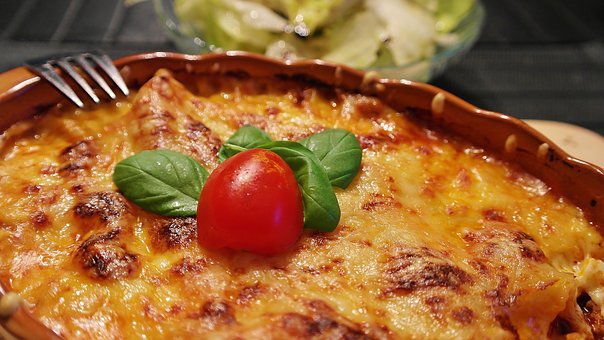
Digestion is most often thought of as taking place in the intestines and the stomach. In reality, the digestion process begins in the mouth. The process of chewing is a important component of the digestive process. The act of chewing breaks down very large amounts of food molecules into smaller particles. This gives the food an increase in surface area, which is an important contributing factor to good digestion. Efficiently chewing your food allows it to be exposed to your saliva for a longer period of time. Food being in contact with saliva is important because it not only helps to lubricate the food, allowing for less stress on your esophagus, but also because saliva contains enzymes that contribute to the chemical process of digestion, thereby making it efficient.
Li J, Zhang N, Hu L, Li Z, Li R, Li C, Wang S. Improvement in chewing activity reduces energy intake in one meal and modulates plasma gut hormone concentrations in obese and lean young Chinese men. 1. Am J Clin Nutr. 2011 Sep;94(3):709-16. Epub 2011 Jul 20.
BACKGROUND: Mastication is the first step in ingesting food, but the effects of mastication on energy intake and gut hormones in both obese and lean subjects have not been extensively evaluated. OBJECTIVE: The current study aimed to compare the differences in chewing activities between obese and lean subjects and to examine the effects of chewing on energy intake and gut hormone concentrations in both obese and lean subjects. DESIGN: Sixteen lean and 14 obese young men participated in the current research. In study 1, we investigated whether the chewing factors of obese subjects were different from those of lean subjects. In study 2, we explored the effects of chewing on energy intake. A test meal consisting of 2200 kJ (68% of energy as carbohydrate, 21% of energy as fat, and 11% of energy as protein) was then consumed on 2 different sessions (15 chews and 40 chews per bite of 10 g of food) by each subject to assess the effects of chewing on plasma gut hormone concentrations. RESULTS: Compared with lean participants, obese participants had a higher ingestion rate and a lower number of chews per 1 g of food. However, obese participants had a bite size similar to that of lean subjects. Regardless of status, the subjects ingested 11.9% less after 40 chews than after 15 chews. Compared with 15 chews, 40 chews resulted in lower energy intake and postprandial ghrelin concentration and higher postprandial glucagon-like peptide 1 and cholecystokinin concentrations in both lean and obese subjects. CONCLUSION: Interventions aimed at improving chewing activity could become a useful tool for combating obesity. This trial was registered at chictr.org as ChiCTR-OCC-10001181.
Link to this article: Show: HTML Link • Full Link • Short Link
Share or Bookmark this page: You will need to have an account with the selected service in order to post links or bookmark this page. 


|
Subscribe via RSS or email: Follow us through RSS or email. Click the RSS icon to subscribe to our feed. 

|
Related Articles:
- Bananas Improve Digestive Health and Lower Blood Pressure
- Understand Your Digestive System to Improve Health
- Are You Getting Enough Fiber in Your Diet?
- Apples Are Delicious, Nutritious and Highly Beneficial For Health
- Eating For Better Digestion
- Enzymes in Food Provide Health and Longevity
- Radishes: Rich in Vitamin C and Great for Digestive Health
- Ways to Improve Digestion
- Levels of Food Combination Digestibility
- Nutrition Basics: The Body's Digestive Cycle Explained
You must be registered and logged in to comment.

Most Popular

Latest Articles



Popular Subjects
Health, fitness and longevity
Based upon the principles of health
in the Qur'an and Prophetic Traditions.
HealthyMuslim.Com
There are two bounties in which
most people lose out: good health
and free time. Al-Bukhari.
The information on this site is provided for educational purposes only. It is not intended as a substitute for professional advice of any kind.