
Fatty acids in diet affect ulcerative colitis risk
© HealthyMuslim. See Terms and Conditions
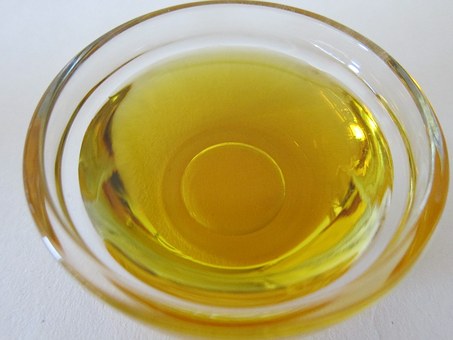
Fatty acids in diet affect ulcerative colitis risk
Anne Harding, Wed Dec 2, 2009 5:13pm EST
NEW YORK (Reuters Health) - People who eat lots of red meat, cook with certain types of oil, and use some kinds of polyunsaturated fatty acid (PUFA)-heavy margarines may be increasing their risk of a painful inflammatory bowel disease, a study in more than 200,000 Europeans shows.
These foods are high in linoleic acid and the study have found that people who were the heaviest consumers of this omega-6 PUFA were more than twice as likely to develop ulcerative colitis as those who consumed the least.
Dr. Andrew Hart of the University of East Anglia in Norwich, UK, and his colleagues also found that eating more eicosapentaenoic acid, an omega-3 fatty acid found in fish and fish oils, was associated with a lower risk of the disease.
While people need a certain amount of linoleic acid to survive, Hart noted in an interview with Reuters health, excess amounts are taken up into the lining of the colon, and if they're released, they can promote inflammation. Omega-3 fatty acid, he added, does the opposite. "It basically dampens down inflammation," he explained.
To investigate the role of fatty acids and ulcerative colitis, a life-long disease characterized by inflammation of the lining of the large intestine, Hart and his colleagues looked at data from the European Prospective Investigation into cancer and nutrition (EPIC) trial, which includes over half a million people from 10 European countries.
Their analysis included 203,193 men and women 30 to 74 years old. During follow-up, which ranged from about 2 to 11 years, 126 people developed ulcerative colitis.
People in the top quartile of linoleic acid intake (they were consuming around 13 to 38 grams a day) were 2.5 times more likely to have developed the disease than people who consumed the least, about 2 to 8 grams daily.
There's currently no proven dietary treatment for ulcerative colitis, Hart noted, but the current findings raise the possibility that eating a diet low in linoleic acid could be helpful.
While a Western-style, red-meat-heavy diet is high in this fatty acid and low in omega-3s, Hart noted, a more Mediterranean style eating pattern -- with plenty of fruits and vegetables, fish, and nut oils -- would be low in linoleic acid and high in omega-3.
He estimated that if omega-3s do help prevent ulcerative colitis, eating a couple of servings of fish a week would probably be protective.
SOURCE: Gut, December 2009.
Source: Reuters
Link to this article: Show: HTML Link • Full Link • Short Link
Share or Bookmark this page: You will need to have an account with the selected service in order to post links or bookmark this page. 


|
Subscribe via RSS or email: Follow us through RSS or email. Click the RSS icon to subscribe to our feed. 

|
Related Articles:
- Fatty acids in diet affect ulcerative colitis risk
- Probiotics: The Key to Better Health
- Move Away From Diet High in Processed Foods to Reduce Disease Risk
- Why Butter Is Better
- Make Simple Changes to Reduce Inflammation
- Research Paper on Fasting in Ramadan - Intermittent, Long-Term Fasting Reduces Inflammatory Markers in the Body
- The Big Fat Con: Saturated Fat and Cholesterol
- Reduce Inflammation and Pain with Olive Oil
- Black Seed Oil (Nigella Sativa) And Its Disease Preventing Effects
- Nutrition Basics: What Are Fats?
You must be registered and logged in to comment.

Most Popular





Latest Articles






Popular Subjects
Health, fitness and longevity
Based upon the principles of health
in the Qur'an and Prophetic Traditions.
HealthyMuslim.Com
There are two bounties in which
most people lose out: good health
and free time. Al-Bukhari.