
Honey Is Not the Only Superfood From Bees
© HealthyMuslim. See Terms and Conditions
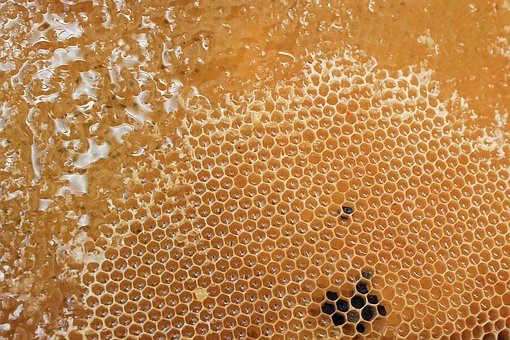
Royal Jelly
Royal jelly is a milk-like secretion from the head glands of the worker bees. The queen bee lives almost exclusively on royal jelly and she lives around 40 times longer than the rest of the bees. Royal jelly is a powerhouse of nutrients containing every nutrient necessary to support life. It is the worlds richest source of pantothenic acid (also known as Vitamin B5), which is known to combat stress, fatigue and insomnia and is a vital nutrient for healthy skin and hair.
One of the key ingredients in royal jelly is acetylcholine, a neurotransmitter that regulates memory and is needed to transmit nerve messages from cell to cell. Interestingly, royal jelly is the only natural source of pure acetylcholine. High levels of this substance in the brain are associated with improved memory and mental acuity, and enhanced cognitive function.
Bee Pollen
Bee pollen is collected by bees from flowering plants and formed into granules. Bee pollen is the most complete food found in nature and has five to seven times more protein than beef. It is a rich source of highly concentrated vitamins, minerals, proteins, amino acids, hormones, enzymes and fats, which exist in perfect proportion, so they optimally work together.
Bee pollen is a natural antidote for fighting allergies, especially hay fever and sinusitis. Research shows that pollen counteracts the signs of aging and increases both mental and physical capability. It is especially beneficial for the extra nutritional and energy needs of athletes and those recovering from illness.
Propolis
Propolis is the substance that bees coat the walls of their hives with and bee hives have often been referred to as the most antiseptic places in nature. The powerful antibiotic properties of propolis can help protect humans from bacteria and can strengthen our immune system. Propolis works against viruses, something that antibiotics cannot do. Research shows that taking propolis during the high risk 'cold and flu' season reduces colds, coughing and inflammation of the mouth, tonsils and throat.
When applied directly to the skin, it is effective for wound cleansing for speeding healing and reducing pain following surgery; and also for the treatment of minor burns.
Look out for these products in health foods stores in the form of supplements, creams, granules, or oaccasionally in their fresh form.
Link to this article: Show: HTML Link • Full Link • Short Link
Share or Bookmark this page: You will need to have an account with the selected service in order to post links or bookmark this page. 


|
Subscribe via RSS or email: Follow us through RSS or email. Click the RSS icon to subscribe to our feed. 

|
Related Articles:
- More Unique Healing Properties of Honey
- The Unusual Antibacterial Activity of Medical-Grade Leptospermum Honey
- The Superiority of Raw Honey
- Honey for Easing Colds
- Manuka Honey as a Medicine
- Garlic, Honey and Apple Cider Vinegar: Must Have Excellent Home Remedy
- Superiority of Honey in Treating Coughs
- Yemeni Sidr Honey Is Beneficial for Sinus Problems
- The Healing Benefits of Honey
You must be registered and logged in to comment.

Most Popular

Latest Articles


Popular Subjects
Health, fitness and longevity
Based upon the principles of health
in the Qur'an and Prophetic Traditions.
HealthyMuslim.Com
There are two bounties in which
most people lose out: good health
and free time. Al-Bukhari.