
Move Away From Diet High in Processed Foods to Reduce Disease Risk
© HealthyMuslim. See Terms and Conditions

Reducing intakes of compounds called advanced glycation end products (AGEs) is associated with reducing inflammation and helping boost the body's natural defences, according to results of a newly published research paper.
AGEs are toxic substances reportedly produced in abundance in the Western diets, as a result of heating, pasteurization, drying, smoking, frying or grilling. The compounds are said to promote oxidation and inflammation, which may ultimately increase the risk of chronic diseases, such as diabetes and heart disease.
The study adds to previous research that links highly processed foods and meats consumed in the Western diet to a range of conditions, from obesity to colorectal cancer.
Researchers from the US National Institute on aging and Mount Sinai School of Medicine report that a simple dietary intervention that reduces intakes of AGEs may promote weight loss and improve overall health. The improvements occurred without changing caloric or nutrient intake, said the researchers.
"What is noteworthy about our findings is that reduced AGE consumption proved to be effective in all study participants, including healthy persons and persons who have a chronic condition such as kidney disease," said the study author.
Study Details
The new study involved 40 healthy people aged between 18 and 45, or older than 60, and another 9 people with kidney disease. The subjects were randomly assigned to one of two diets: One group continued to consume their own regular Western diet, while the second group consumed a diet with the same calorie and nutrient content, but with 50 per cent less AGEs.
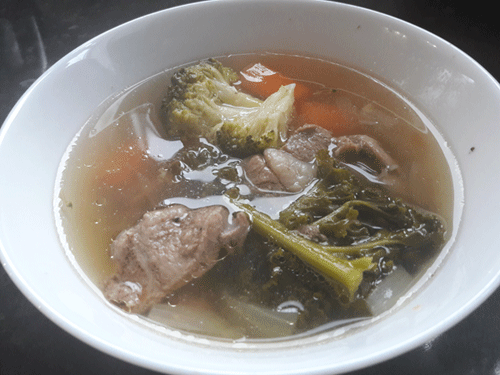
Participants in the AGE-less intervention were advised to poach, stew, or steam their meals.
After four months of intervention, blood AGE levels, lipid peroxides, inflammatory markers, and biomarkers of blood vessel health declined by as much as 60 per cent in healthy participants, said the researchers. Similar improvements were also observed in the kidney patients on the AGE-less diet, they added.
The authors worryingly believe that daily AGE intakes in the standard Western diet may be at least three times higher than the safety limit for these oxidants. They said:
"Even though the AGEs pose a more immediate health threat to older adults, they are a similar danger for younger people, including pregnant women and children, and this needs to be addressed,"
"AGEs are ubiquitous and addictive, since they provide flavour to foods. But they can be controlled through simple methods of cooking, such as keeping the heat down and the water content up in food and by avoiding pre-packaged and fast foods when possible. Doing so reduces AGE levels in the blood and helps the body restore its own defences."
Research paper details:
H. Vlassara, W. Cai, S. Goodman, R. Pyzik, et al. Protection against Loss of Innate Defenses in Adulthood by Low Advanced glycation End Products (AGE) Intake: Role of the Antiinflammatory AGE Receptor-1. Journal of Clinical Endocrinology and metabolism, 2009. Published online ahead of print.
Link to this article: Show: HTML Link • Full Link • Short Link
Share or Bookmark this page: You will need to have an account with the selected service in order to post links or bookmark this page. 


|
Subscribe via RSS or email: Follow us through RSS or email. Click the RSS icon to subscribe to our feed. 

|
Related Articles:
- Mediterranean Diet Associated With Beating Depression
- Study: Healthy Diet Can Help Avoid Diabetes Drugs
- Why Diets Don't Work and Tips to Lose Weight
- Studies Show Anti-Cancer Benefits of a Healthy Diet and Lifestyle
- Make Simple Changes to Reduce Inflammation
- Research Paper on Fasting in Ramadan - Intermittent, Long-Term Fasting Reduces Inflammatory Markers in the Body
- The Big Fat Con: Saturated Fat and Cholesterol
- Reduce Inflammation and Pain with Olive Oil
- How Diet Can Affect Acne
- Ibn al-Qayyim: Majority of Diseases Arise Out Of Improper Dietary Habits and Low Nutritional Value Foods
You must be registered and logged in to comment.

Most Popular








Latest Articles







Popular Subjects
Health, fitness and longevity
Based upon the principles of health
in the Qur'an and Prophetic Traditions.
HealthyMuslim.Com
There are two bounties in which
most people lose out: good health
and free time. Al-Bukhari.