
Co-Enzyme Q10: A Vital Energy-Boosting, Health Promoting Nutrient
© HealthyMuslim. See Terms and Conditions
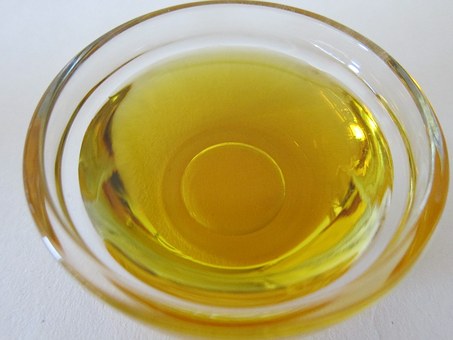
Co-enzyme Q10, also called CoQ10 or ubiquinone, is a fat soluble compound that is produced naturally in the body. It is ubiquitous, meaning it is found everywhere. Co-enzyme Q10 is best known for its vital function in the production of energy inside cells. It is en essential part of the mitochondria, tiny organs found in cells, which take fat and other substances and convert them into usable energy. This process always requires co-enzyme Q10, in fact it is essential for 90% of cellular energy production.
The heart, skeletal muscle, liver and lungs all use large amounts of energy and therefore co-enzyme Q10 is particularly concentrated in these tissues. Smaller amounts are centered in the brain, kidneys, and intestines, and the rest is in general circulation throughout the body for use as needed.
Co-enzyme Q10 is used to promote cell growth, protect cells from damage and is important in the fight against ageing. This is why it is often listed as an ingredient in anti-ageing creams.
Co-enzyme Q10 also plays a critical role in maintaining the body's supply of Vitamin E. When Vitamin E is 'used up' in its role as an antioxidant protector of cell membranes, coenzyme Q can 'recharge' it, and restore its antioxidant capability.
Numerous studies into co-enzyme Q10 have found that it has benefits for cardiovascular health, including helping heart failure and other degenerative heart diseases in which the heart muscle needs protection from oxygen damage, like angina, arrhythmia and hypertension.
Co-Enzyme Q10 Deficiency
A number of factors including age, illness, cholesterol-lowering drugs and poor nutrition can all decrease the body's ability to produce its own co-enzyme Q10.
A deficiency in this nutrient results in less cellular energy and diminished protection against oxidative stress, which can lead to the production of free radicals that damage proteins, fats and DNA, allowing degenerative diseases to develop.
Studies have reported dramatic decreases in CoQ10 levels and increased oxidative stress associated with the aging process and with many age-related conditions. Healthy people in their 20s readily produce all the CoQ10 they can use, but this ability becomes hindered as years go by through metabolic demands and oxidative stress.
Therefore receiving adequate supplies of CoQ10 is especially important for middle-aged people for supporting and maintaining cardiovascular, neurological and liver health, as well as better overall health. Co-enzyme Q10 is also a powerful antioxidant, so it also defends against oxidative stress and age-related conditions.
Sources of co-enzyme Q10
The richest food sources of co-enzyme Q10 are meat, poultry and fish, especially organ meat. Other good sources include soya bean and canola oils, nuts and seeds. There are also small traces found in fruit, vegetables, eggs and dairy products.
Co-enzyme Q10 is also available in supplement form, as ubiquinone or the reduced form of the compound, ubiquinol, a form that has found to be more easily absorbed into the bloodstream. Co-enzyme Q10 is fat soluble, so supplements should always be taken with some type of dietary fat.
Link to this article: Show: HTML Link • Full Link • Short Link
Share or Bookmark this page: You will need to have an account with the selected service in order to post links or bookmark this page. 


|
Subscribe via RSS or email: Follow us through RSS or email. Click the RSS icon to subscribe to our feed. 

|
Related Articles:
- Balance Your Blood Sugar: The Key to Gaining Energy and Losing Weight
- Pistachios Contain Heart Healthy Antioxidants
- Phytonutrients Explained
- Vitamin E: One Of the Most Powerful Natural Antioxidants
- Co-Enzyme Q10: A Vital Energy-Boosting, Health Promoting Nutrient
- Glutathione: A Vital and Powerful Antioxidant For Health
- New Research on the Powerful Benefits of Garlic
You must be registered and logged in to comment.

Most Popular

Latest Articles


Popular Subjects
Health, fitness and longevity
Based upon the principles of health
in the Qur'an and Prophetic Traditions.
HealthyMuslim.Com
There are two bounties in which
most people lose out: good health
and free time. Al-Bukhari.