Thursday, 11 March 2010    HomeAbout UsUsing this SiteSpread the Word!Contact Us     


Vitamins and Minerals Associated With Reducing Eczema in Children
Filed under: News
Monday, February 01 2010 - by SoundHealth
Key topics: Eczema Vitamin E Iron Folic Acid Beta-carotene Atopic Dermatitis

Mail to a FriendPrinter friendly

According to new findings, increased intakes of four key nutrients have been found to reduce the risk of eczema in children.

The study from Korea suggests that increased intakes of beta-carotene, Vitamin E, folic acid, and iron are associated with reducing the risk of atopic dermatitis, a form of eczema.

Children with the highest average intakes of these four nutrients were found to have significantly lower risks of atopic dermatitis, than children with the lowest average intakes, according to findings.

Atopic dermatitis (AD), or eczema, is an inflammatory skin disease characterized by areas of severe itching, redness and scaling, which usually develops in early childhood. Although the cause is not clearly known, the disease is thought to be associated with a malfunction of the body's immune system. Scientists have found that people with atopic dermatitis have a low level of a cytokine (a protein) that is essential to the healthy function of the body's immune system and a high level of other cytokines that lead to allergic reactions.

Study details

In the first study of its kind, researchers used both data on intakes of vitamin and minerals, and corresponding biomarkers, in relation to atopic dermatitis.

The scientists recruited 180 five-year olds with atopic dermatitis, and 242 five-year olds without the condition, and assessed their diets. Blood samples were also taken after a period of fasting to determine levels of fat-soluble vitamins, like retinol, alpha-tocopherol (a form of vitamin E), and Beta-carotene, and Vitamin C.

Results showed that the risk of AD was 56 per cent lower in children with the highest average intakes of Beta-carotene, compared to the lowest.

Moreover, dietary Vitamin E, folic acid, and iron were associated with 67, 63, and 61 per cent reductions in atopic dermatitis risk.

These dietary findings were also matched by data from the blood samples, with the highest average levels of alpha-tocopherol associated with a 36 per cent lower risk of AD, while retinol was associated with a 26 per cent lower risk.

"These findings suggest that higher antioxidant nutritional status reduces the risk of AD and that such risk-reduction effects depend on nutrient type," wrote the researchers.

Commenting on the possible means, the researchers noted that reactive oxygen species (ROS), or free radicals, from environmental pollution and the sun could promote oxidative damage to proteins in the outermost layer of the skin (stratum corneum), which would exacerbate eczema.

"Antioxidant nutrients have been proposed to counteract oxidative stress and inhibit the inflammatory response and are known to be possibly associated with the ability of the individual to restrain the inflammatory response and allergic diseases," they added.

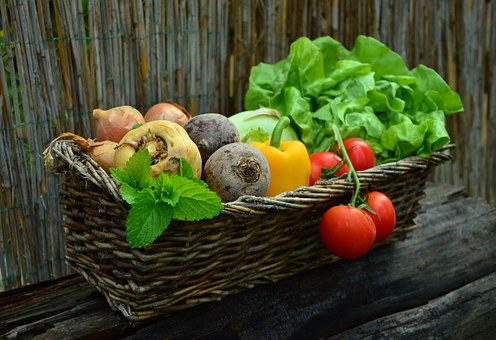
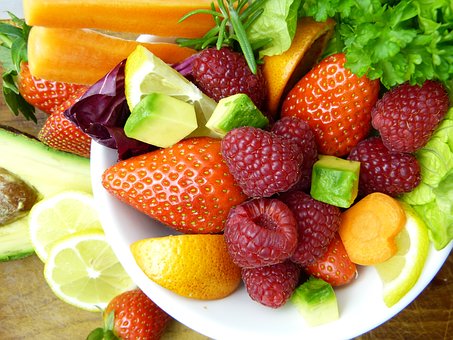
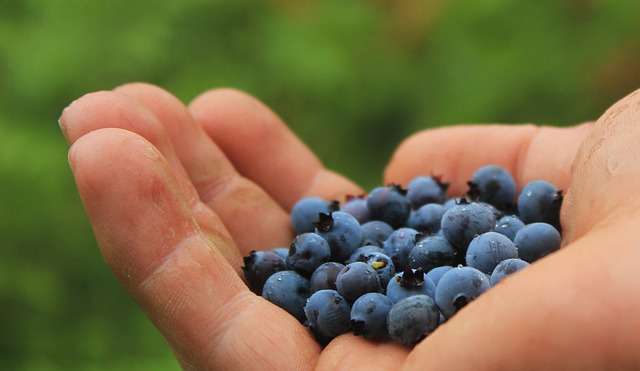
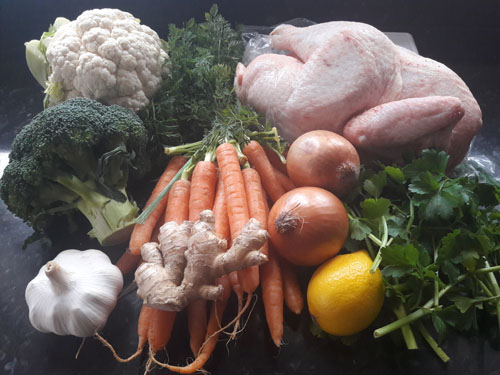
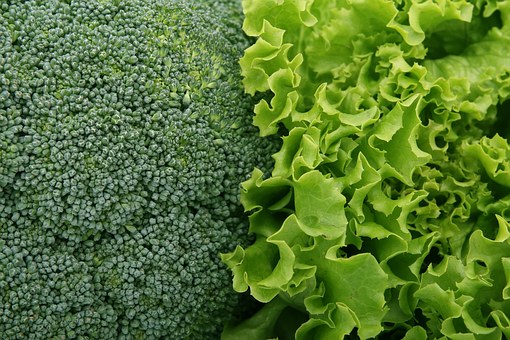
The nutrients from this study; Beta-carotene, folic acid, iron, Vitamin E are all found in fruits, vegetables, nuts, seeds and healthy oils.

Research Paper Details:

S-Y Oh, J Chung, M-K Kim, S O Kwon, B-H Cho. antioxidant nutrient intakes and corresponding biomarkers associated with the risk of atopic dermatitis in young children. European Journal of Clinical nutrition, 2009 published online ahead of print.


Link to this article:   Show: HTML LinkFull LinkShort Link
Related Articles:
Add a Comment (comments are currently moderated)
You must be registered and logged in to comment.



Article Serialization on Important Topics


Search This Site
Latest Articles
Enzymes in Food Provide Health and Longevity
Vitamin A Is a Powerful Antioxidant and All-Important Nutrient
New Study Finds No Link Between Saturated Fat and Heart Disease
Bitter Melon Extract Kills Breast Cancer Cells
Vitamin E: One Of the Most Powerful Natural Antioxidants
Why the Sweetener Aspartame Is a Deadly Toxin
Zinc: A Key Mineral for Fertility, Resistance to Disease and Overall Good Health
Green Tea May Protect Eye Health
Radishes: Rich in Vitamin C and Great for Digestive Health
Vitamin D Linked to Reducing Diabetes Risk
Latest Comments
The Mufti of Saudi Arabia, Shaykh Abdul-Azeez Aal ul-Shaykh stated recently his emphasis - based upo ...
by HealthyMuslim (8 months ago)
Royal jelly is a creamy substance found in the salivary glands of bees. It is primarily a nutrient-r ...
by SoundHealth (572726 minutes ago)
Assalamulaykum I really loved this artical. It was MasAllah brilliant. I did 546 skips under 19 ...
by Hamza (573095 minutes ago)
JazakAllahkhair. You mentioned Royal Jelly and Bee Pollen. What are these and how are they used? ...
by Muslima (573101 minutes ago)
Thanks for compiling these info. ...
by LivingHalal (573825 minutes ago)
thank you very much for the article , I have thin hair . I hope this could help ...
by geegee (574341 minutes ago)
As salaamu alaykum, you would be looking at topical application with a suitable cream (or you could ...
by healthymuslim (598977 minutes ago)
Dear Assalamaualaikum, Kindly advice how to use the aloe vera for pysoriasis treatment as i have t ...
by Ahmed (599380 minutes ago)
As-salaamu alaykum, The hadeeth mentions the actual seed not seed oil,is it t ...
by Arif Mahmood (600072 minutes ago)
Black seed oil contains fifteen amino acids, including eight of the nine essential amino acids (thes ...
by SoundHealth (601361 minutes ago)
Most Popular
How To Eat Fruit Properly
Five Superfoods You Should Be Eating Everyday
Deodorant And Anti-Perspirant Dangers - Do You Know What You're Putting Under Your Armpits?
Garlic, Honey and Apple Cider Vinegar: Must Have Excellent Home Remedy
Flax Seed, Black Seed Oil and Honey Oat Porridge - Absolutely Great For Your Health
The Different Kinds Of Exercises Your Body Needs
What Foods Are Good For Your Eyesight?
Are You Drinking Living Milk Or Dead Milk?
Foods for Healthy Hair
Calculate Your Body Mass Index (BMI) Value

Tags
acid acid alkaline balance acne acrylamide additives aerobic exercise ageing aging air alfalfa alfalfa sprouts alkaline allergies allergy allicin almonds aloe aloe vera alopecia alum stone aluminium Alzheimer's amino acids anthocyanidins anthocyanins anti-aging antibacterial anti-bacterial antibiotic antibiotics antibiotics antimicrobial anti-microbial antiobiotic antioxidant antioxidants anti-perspirant anxiety appendicitis apple apple cider vinegar apples apricot apricots arthritis artichoke arugula asparagus aspartame assimilation asthma atopic dermatitis aubergine autism avocado avocados bacteria banana barley basil bathroom beans beet beetroot berries Beta-carotene beverages bioflavonoids bisphenol A bitter melon black pepper black seed black seed oil blackberries blackcurrant blood pressure bloodletting blueberries blueberry body mass index body pH bone health bones borage oil bowel cancer brain brain cancer brazil nut bread breast cancer breast feeding breastfeeding breathing broccoli brown rice brussel sprouts Brussels sprouts buckwheat Budwig Protocol butter butternut squash cabbage caffeine calcium calories camel's urine cancer candida cantaloupe melon carbohydrates carcinogens cardamom cardiovascular cardiovascular disease carob carotenoids carpal tunnel syndrome carrot cashew nut cataracts cauliflower cavities celeriac celery cell phone cereals chamomile chard CHD cheese cherries chia seeds chickpeas chicory chili pepper chilli chilli pepper chocolate cholesterol cholestrol chronic illness cilantro cinnamon citron clarified butter cloves cocoa coconut coconut oil Codex Alimentarius co-enzyme Q10 coffee cola cold cold sore colds colic colon cancer combining foods common cold compost condiments contagion cookware coriander corn cos lettuce cottage cheese cough cough medicine courgette couscous cranberries cress cruciferous cruciferous vegetables cucumber cumin cupping curcumin cure dandruff dates dehydration dementia deodorant depression detox DHA diabetes diet digestion digestive cycles dips dopamine dried fruit dry cupping dust mites eating habits echinacea eczema eggplant eggs EMF endive energy enzymes EPA esophageal cancer essential fatty acids essential oil excitotoxin exercise eye exercises eye health eyesight falafel fasting fats fatty acid fatty acids fennel fenugreek fertility fiber fibre fig fish fitness flax flax oil flax seeds flaxseed oil flu flu vaccine fluoridated water fluoridation fluoride fluoride-free toothpaste fluorosis folate folic acid food combination food combining food digestibility food poisoning formaldehyde fructose fruit garbanzo beans gardening garlic genotoxin ghee ginger ginseng glucosamine glucose glutathione glycemic index goji berry gout grain grains grapefruit grapes green tea guava gum disease gums hair hair loss happiness hazelnut HDL headache healing health heart heart attack heart disease heavy metals henna Hepatitis B herbs high fructose corn syrup high fructrose corn syrup hijaamah hijama hina homogenized milk honey hormones household products houseplants hummus immune system infectious disease infertility inflammation inflammatory response influenza insomnia intoxicants IQ iron irritable bowel Johanna Budwig joints juice junk food kale kiwifruit lavender lawsonia inermis LDL leeks legumes lemon lemon-grass lentil soup lentils lifespan lime linseed linus pauling lipoproteins live long long life longer life longevity lung cancer lutein lycopene magnesium maize mango manuka honey margarine marjoram meat medical industry medicinal treatment medicine melon memory menopause menstruation mercury metabolism migraine migraines milk mind mineral minerals mint miswak MMR mobile phone mold monosodium glutamate monounsaturated fats mood MSG muscles mushroom mustard mustard seeds myrtle nails natural health nausea nigella sativa nigella seeds night shift nutmeg nutrition nuts oats obese obesity oil olive oil olives omega-3 omega-6 omega-9 onions orange oregano organic organic honey osteoarthritis osteoporosis overweight oxidants pancreatic cancer papaya parabens Parkinson's disease parsley passion fruit pasteurization pasteurized milk patience peanuts pear peas pecan nuts peppercorn peppermint peppers perfluorinated chemicals perppermint personal care personal care products pesticides PFOA pH pharmaceutical industry phenylalanine phosphate phospholipids phosphorus phytonutrients pine nut pineapple pistachio nut plums pollution polyphenols polyunsaturated fats polyunsaturated fatty acids pomegranate popcorn porridge postnatal depression postpartum depression posture potassium potato potatoes prebiotic prebiotics pregnancy premenstrual syndrome probiotic probiotics propylene glycol prostate cancer protein prunes psoriasis PUFA pulses quark quince quinoa Qur'aan quran radiation radish raisins ramadan raspberries raw honey raw milk red cabbage respiratory problems resveratrol retinol rhubarb rice rocket romaine lettuce rosemary running saffron sage salad salmon salt saturated fat saturated fats schizophrenia seeds selenium semolina senna serotonin sesame oil sesame seeds silica sinusitis siwak skin skin cancer skipping sleep SLS soda sodium sodium benzoate sodium lauryl sulfate soft drinks soup spices spinach sprout sprouting sprouts St Johns Wort St John's Wort starch stimulants strawberries stress sucralose sugar sulfur dioxide sulphur sunflower seeds sunlight superfoods sweet potato sweetcorn sweetener swine flu swiss chard tahini talbina tea teeth teflon tension headache Thimerosal thinking thyroid disease tomato toothpaste toxic toxic chemicals trace elements trace minerals trans fat triclosan turmeric type 2 diabetes ubiquinol unlawful medicine unpasteurised milk vaccination vaccinations Vaccine Damage vaccines vegetables vinegar viral infections vision Vitamin A vitamin B vitamin B12 Vitamin C vitamin D Vitamin E vitamin K walking walnut water water fluoridation water fluoridatoin watercress watermelon weight weight loss wet cupping wheat wheatgerm whole grains yoghurt zeaxanthin zinc zucchini

Archives
March 2010
February 2010
January 2010
December 2009
November 2009
October 2009
September 2009
August 2009
July 2009
June 2009
May 2009
April 2009
March 2009
February 2009
January 2009
December 2008
November 2008
October 2008
September 2008


This site provides information for the purpose of education only. The content on this site is not intended as specific medical advice to your personal condition. You should seek professional medical advice for your personal circumstances. HealthyMuslim.Com does not hold any responsibility for use of this material in any form. Use of our website indicates your agreement to our terms and conditions. All trademarks mentioned on this site are the intellectual property of the respective owners.

© 2008 HealthyMuslim.Com. All rights reserved.
Your guide to Muslim health Muslim diet Islam health