
Fiber and Whole Grains 'Reduce Bowel Cancer Risk'
© HealthyMuslim. See Terms and Conditions
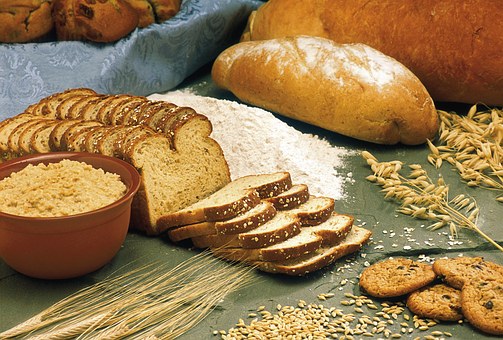
Researchers from Imperial College London found that for every 10g a day increase in fiber intake, there was a 10% drop in the risk of bowel cancer.
But their analysis of 25 previous studies found that fruit and vegetable fiber did not reduce risk.
Eating fiber and whole grains is known to help protect against cardiovascular disease, but experts say that any link with colorectal cancer is less clear because studies have not had consistent results.
Reviewing the results of all previous observational studies in this area, researchers in London, Leeds and the Netherlands analyzed data provided by almost two million people.
Their conclusion was that increasing fiber intake, particularly cereal fiber and whole grains, helps prevent colorectal cancer.
Whole grains include foods such as whole grain breads, brown rice, cereals, oatmeal and porridge.
The lead study author said their analysis found a linear association between dietary fiber and colorectal cancer.
"The more of this fiber you eat the better it is. Even moderate amounts have some effect."
Adding three servings (90g per day) of whole grains to diets was linked to a 20% reduction in the risk of colorectal cancer, researchers said.
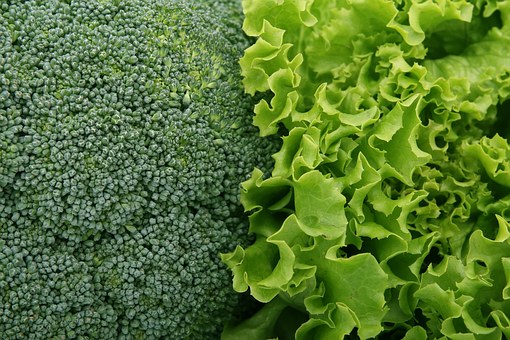
However, the study said there was no evidence that fiber in fruit and vegetables played a part in reducing risk.
A previous study which showed a reduction in risk with high intake of fruit and vegetables suggests that compounds other than fiber in fruit and vegetables could account for this result, said the authors.
They also said that the health benefits of increasing fiber and whole grains intake was not restricted to colorectal cancer.
"It is also likely to reduce the risk of cardiovascular disease, type-2 diabetes, overweight and obesity, and possibly overall mortality," the researchers said.
Protecting grains
Whole grains contain all the essential parts and naturally-occurring nutrients of the entire grain seed, in contrast to refined grains, like white flour, in which most of these have been removed by processing. Without the bran and germ, about 25% of a grain's protein is lost, along with at least seventeen key nutrients.
Whole-grain foods are nutrient-dense, meaning they pack many nutrients into a small package. As well as being high in fiber, they are low in calories, a rich source of complex carbohydrates, and also contain protein, and a small amount of fat.
Increase your intake of whole grain foods by eating wholemeal bread, brown rice, oats, quinoa, instead of white, refined carbohydrates.
Research Paper Details:
Aune D, Chan DSM, Lau R, et al. Dietary fibre, whole grains, and risk of colorectal cancer: systematic review and dose-response meta-analysis of prospective studies. BMJ 2011.
Link to this article: Show: HTML Link • Full Link • Short Link
Share or Bookmark this page: You will need to have an account with the selected service in order to post links or bookmark this page. 


|
Subscribe via RSS or email: Follow us through RSS or email. Click the RSS icon to subscribe to our feed. 

|
Related Articles:
- Ibn al-Qayyim: Rice is a Nourishing Grain
- Cancer Said To Be No. 1 Killer by 2010
- Disease-Fighting Properties of Green Tea
- Regular Exercise 'Prevents Breast Cancer'
- Flax Seed, Black Seed Oil and Honey Oat Porridge - Absolutely Great For Your Health
- Caution on Triclosan - An Anti-Bacterial In Soaps, Toothpastes, Deodorants And Cosmetics
- Green Tea, Blueberry and Raspberry Fruit Extracts Touted as Potential Cancer Fighters
- Artificial Sweetener Aspartame Is Carcinogenic
- Mobile Phone Use 'Raises Children's Risk of Brain Cancer Fivefold'
- Dr Linus Pauling, Vitamin C Infusions and Cancer
You must be registered and logged in to comment.

Most Popular



Latest Articles





Popular Subjects
Health, fitness and longevity
Based upon the principles of health
in the Qur'an and Prophetic Traditions.
HealthyMuslim.Com
There are two bounties in which
most people lose out: good health
and free time. Al-Bukhari.