
The Huge Importance of Omega-3 Fats in the Diet
© HealthyMuslim. See Terms and Conditions
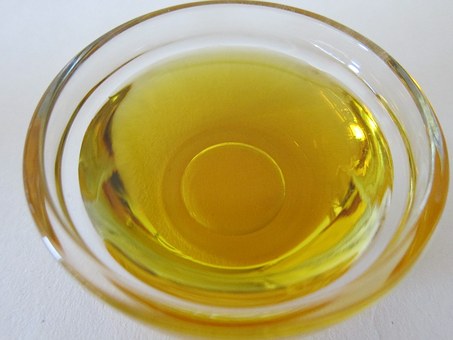
Although some omega-6 fats are good for health, the balance of omega-6s to omega-3s is crucial. Generally, most people consume too much omega-6 fats and not enough omega-3 fats.
Omega-3 Facts
There are three major types of omega-3 fatty acids which are used by the body:
- ALA (alpha-linomenic acid)
- EPA (eicosapentaenoic acid)
- DHA (docosahexaenoic acid)
- Omega-3 is used in the formation of cell walls, making them supple and flexible and improving oxygen intake and circulation.
- Omega-3s are particularly efficient at targeting the compounds which cause allergic reactions and skin disorders.
- Omega-3 fatty acids are more likely to be damaged in cooking and processing than omega-6.
Omega-3 Benefits
The two fats in omega-3 oils that are crucial to your health are DHA and EPA. These compounds are not only essential to maintaining good health, scientific research indicates that they also promote heart health, provide immune system and protect against cancer. The brain is also highly dependent on DHA - low DHA levels have been linked to depression, schizophrenia, memory loss, and a higher risk of developing Alzheimer's.
The American Journal of Clinical Nutrition has published four studies investigating the role of EPA and DHA omega-3 fats in elderly populations. [1-4]
In short, the studies conclude that:
- Low concentrations of EPA and DHA result in an increased risk of death from all causes, as well as accelerated cognitive decline.
- However, short-term intake of EPA and DHA in the elderly had no effect on mental well-being, suggesting the importance of maintaining a high dietary omega-3 intake throughout your life.
Researchers have also linked inadequate intake of these omega-3 fats in pregnant women to premature birth and low birth weight. [5] This is because a growing fetus must obtain all its omega-3 fatty acids from its mother's diet.
Omega-3 to omega-6 Ratio
Despite the importance of omega-3 for health, most people do not consume sufficient quantities of this essential fat. While most people are seriously lacking in omega-3, they are overdoing another type of fat, omega-6. Omega-6 is found primarily in oils like corn, sunflower, soy, canola and safflower oil, margarine, vegetable oil, used extensively in processed foods, and although it is also essential for human health, when eaten in large quantities, it causes health problems. A high level of omega-6 also suppresses the absorption of omega-3.
As one of the studies in the American Journal of Clinical Nutrition pointed out, high ratios of omega-6 to omega-3 may increase the risk of dementia, and other researchers have also agreed that including more omega-3 than omega-6 in the diet is associated with helping to protect tissues and organs from inflammation, one of the underlying causes of countless chronic diseases and aging. [6]
Sources of omega-3 fatty acids
The best way to obtain omega-3 is from animal sources, not plant sources. This is because plant-based omega-3 sources like flax and chia seeds are high in ALA, not EPA and DHA. Although ALA is an essential nutrient, it has to be converted to the far more essential EPA and DHA in the body, which is not usually done effectively. On the other hand, the majority of animal-based sources are already in that form.
Good sources of omega-3 fats are found in fish oil, cod liver oil or krill oil. Oily cold water fish like salmon, mackerel, sardines and herring all provide good sources of omega-3. Some plant sources include seeds like flax, pumpkin, chia, hemp and their unprocessed, unrefined oils that have not been heated.
As the above studies suggest, the best way to receive the benefits of omega-3 is to consume it over many years, so adding this essential nutrient to the diet is a great way of protecting and maintaining health.
References
- [1] Harris, WS. n-3 fatty acids and health: DaVinci's code. American Journal of Clinical nutrition, Vol. 88, No. 3, 595-596, September 2008.
- [2] van de Rest O, Geleijnse JM, Kok FJ, et al. Effect of fish-oil supplementation on mental well-being in older subjects: a randomized, double-blind, placebo-controlled trial. American Journal of Clinical nutrition, Vol. 88, No. 3, 706-713, September 2008.
- [3] Samieri C, Féart C, Letenneur L, et al. Low plasma eicosapentaenoic acid and depressive symptomatology are independent predictors of dementia risk. American Journal of Clinical nutrition, Vol. 88, No. 3, 714-721, September 2008.
- [4] Lindberg M, Saltvedt I, Sletvold O, Bjerve KS. Long-chain n-3 fatty acids and mortality in elderly patients. American Journal of Clinical nutrition, Vol. 88, No. 3, 722-729, September 2008.
- [5] Innis SM, Elias SL. Intakes of essential n-6 and n-3 polyunsaturated fatty acids among pregnant Canadian women. Am J Clin Nutr. 2003 Feb;77(2):473-8.
- [6] Wada M, DeLong CJ, Hong YH, et al.Enzymes and Receptors of Prostaglandin Pathways with Arachidonic Acid-derived Versus Eicosapentaenoic Acid-derived Substrates and Products Journal of Biological Chemistry August 3, 2007, Vol. 282, Issue 31, 22254-22266.
Link to this article: Show: HTML Link • Full Link • Short Link
Share or Bookmark this page: You will need to have an account with the selected service in order to post links or bookmark this page. 


|
Subscribe via RSS or email: Follow us through RSS or email. Click the RSS icon to subscribe to our feed. 

|
Related Articles:
- Brain-Boosting Foods
- Nutrients and Superfoods for Healthy Skin
- Stay Healthy by Boosting Your Immune System
- Postnatal Depression and How To Prevent it With Omega-3 Fatty Acids
- Black Seed Oil (Nigella Sativa) And Its Disease Preventing Effects
- Nutrition Basics: What Are Fats?
- Five Superfoods You Should Be Eating Everyday
You must be registered and logged in to comment.

Most Popular


Latest Articles





Popular Subjects
Health, fitness and longevity
Based upon the principles of health
in the Qur'an and Prophetic Traditions.
HealthyMuslim.Com
There are two bounties in which
most people lose out: good health
and free time. Al-Bukhari.