
Phytochemicals In Plant-based Foods Help Battle Obesity and Disease
© HealthyMuslim. See Terms and Conditions
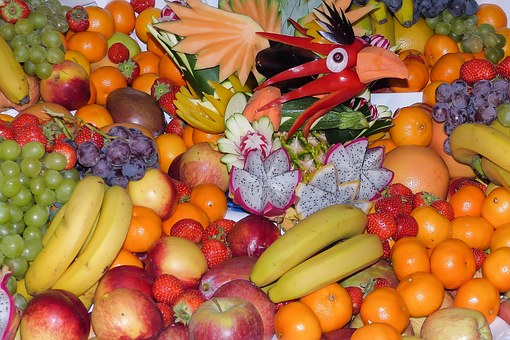
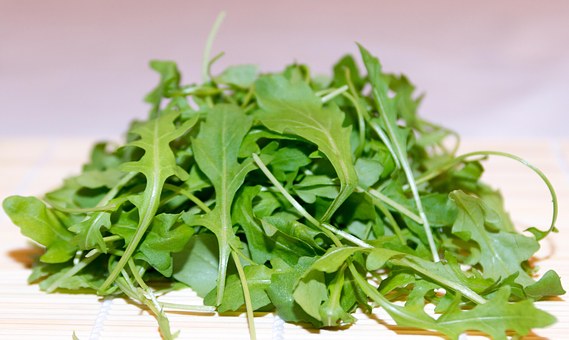
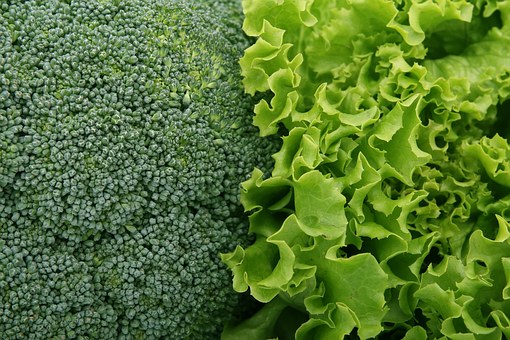
According to research from the University of Florida, eating more plant-based foods such as leafy green vegetables before other foods, which are rich in substances called phytochemicals, could help people to battle metabolic processes that lead to obesity and heart disease. Scientists found that these foods seemed to prevent oxidative stress in the body, a process associated with obesity and the onset of disease.
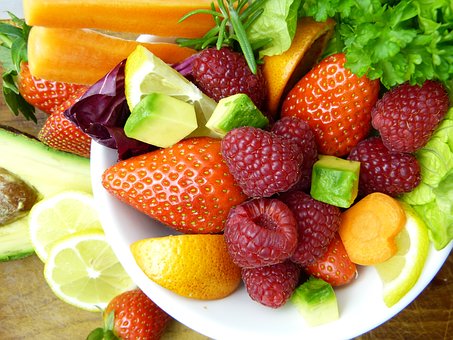
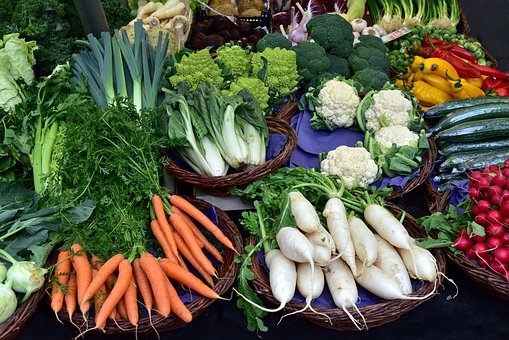
To get enough of these protective phytochemicals, researchers suggest eating plant-based foods such as leafy greens, fruits, vegetables, nuts and legumes at the start of a meal. The study author explained:
"Fill your plate with colorful, low-calorie, varied-texture foods derived from plants first. By slowly eating phytochemical-rich foods such as salads with olive oil or fresh-cut fruits before the actual meal, you will likely reduce the overall portion size, fat content and energy intake. In this way, you're ensuring that you get the variety of protective, disease-fighting phytochemicals you need and controlling caloric intake."
The researchers studied a group of 54 young adults, analyzing their dietary patterns over a three-day period, repeating the same measurement eight weeks later. The participants were broken into two groups: normal weight and overweight-obese.
Although the adults in the two groups consumed about the same amount of calories, overweight-obese adults consumed fewer plant-based foods and subsequently fewer protective trace minerals and phytochemicals and more saturated fats. They also had higher levels of oxidative stress and inflammation than their normal-weight peers. These processes are related to the onset of obesity, heart disease, diabetes and joint disease, according to the author.
Oxidative stress occurs when the body produces too many damaging free radicals and lacks enough antioxidants or phytochemicals to counteract them. Because of excess fat tissue and certain enzymes that are more active in overweight people, being obese can actually trigger the production of more free radicals, too.
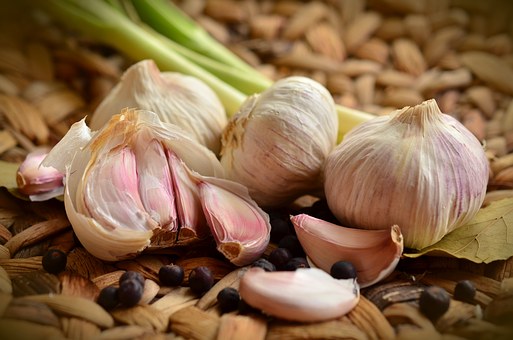
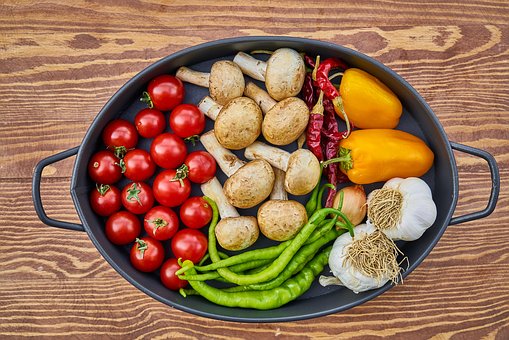
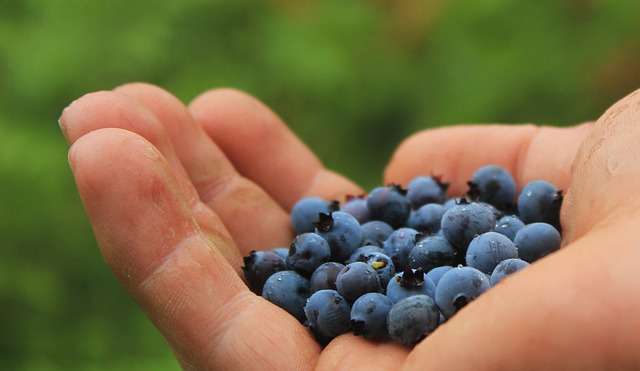
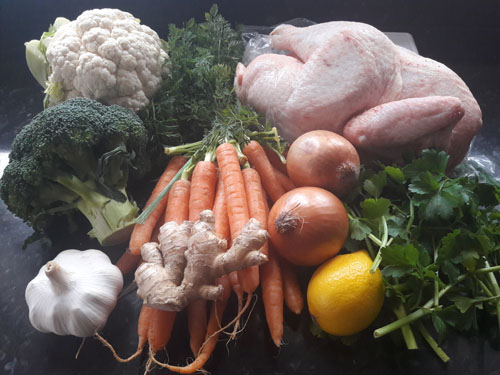
Many phytochemicals have antioxidant properties, and can help to combat free radicals. Phytochemicals include substances such as allicin from garlic, lycopene from tomatoes, beta carotene from carrots and anythocyanins from blueberries, among others.
The study author said:
"In comparison to a normal-weight person, an obese person is always going to be behind the eight ball because there are so many adverse metabolic processes going on."
A starting point is to replace pre-packaged snacks and other processed foods which are high in sugar, artificial flavourings and low in nutrients, with phytochemical-rich foods such as fresh produce and other whole food from good quality plant-based sources.
Research paper details:
Vincent HK, Bourguignon CM, Taylor AG. Relationship of the dietary phytochemical index to weight gain, oxidative stress and inflammation in overweight young adults. Journal of Human nutrition and Dietetics, 2009.
Link to this article: Show: HTML Link • Full Link • Short Link
Share or Bookmark this page: You will need to have an account with the selected service in order to post links or bookmark this page. 


|
Subscribe via RSS or email: Follow us through RSS or email. Click the RSS icon to subscribe to our feed. 

|
Related Articles:
- Why Diets Don't Work and Tips to Lose Weight
- Getting More Sleep Is Linked To Greater Weight Loss
- Freshly Squeezed Juice Lowers the Risk of Obesity
- Studies Show Anti-Cancer Benefits of a Healthy Diet and Lifestyle
- Lose Weight by Increasing Intake of Complete Proteins
- Being Overweight Raises the Risk of Cancer
- Almonds Can Control Weight
- How Diet Can Affect Acne
- Ibn al-Qayyim: Majority of Diseases Arise Out Of Improper Dietary Habits and Low Nutritional Value Foods
- High Fibre Diet Supports Weight Loss
You must be registered and logged in to comment.

Most Popular



Latest Articles






Popular Subjects
Health, fitness and longevity
Based upon the principles of health
in the Qur'an and Prophetic Traditions.
HealthyMuslim.Com
There are two bounties in which
most people lose out: good health
and free time. Al-Bukhari.