
Exercise
Scientists are continuing to find new evidence which points to a link between physical exercise and mental health.
A Cambridge University study suggested that jogging just a couple of times a week stimulates the brain. After a few days of running, hundreds of thousands of new brain cells were shown to have grown in a region that is linked to the formation and recollection of memories.
An improved ability to recall memories without confusing them has a direct impact on other crucial cognitive tasks, and could lead to potential new ways of slowing down the deterioration of mental ability in old age.
In other findings, scientists have also found that vigorous exercise helps release a protein called 'noggin'.
The protein acts as with another protein, bone morphogenetic protein, and stimulates the division of brain stem cells, keeping the brain nimble and active as we get older. Research suggests that amplified production of noggin could therefore prevent the on-set of age-related brain diseases such as Alzheimer's.
A Mid-Day Nap
Scientists have long suspected that sleep has a significant impact on the brain's capacity for memory, but recent research has found that sleeping for an hour in the afternoon boosts brain power and dramatically increases its ability to learn new facts and tasks.
Having a nap after lunch acts as a regenerative aid, allowing the brain to 'file' away memories so that new information may be more easily retained.
The researchers discovered that those who stay awake all day are less likely to be able to learn new tasks as the day goes on, leading the experts to suggest that napping in the long-term may be conducive to warding off age-related degenerative mental diseases.
Magnesium and Vitamin B-Rich Foods
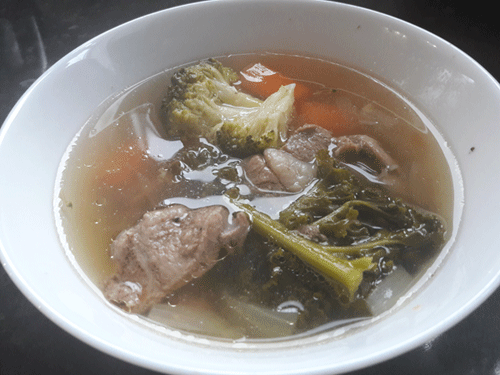
Eating foods rich in magnesium such as spinach and broccoli, as well as high doses of B-vitamins are associated with boosting memory and brain power.
Research published in the journal Neuron, found that an increase of magnesium in the brain could help learning in both the young and old.
Other research found that high doses of B vitamins halved the rate of brain shrinkage in older people experiencing signs of memory decline. Certain B vitamins, including folic acid, vitamin B6 and B12 - were also found to control levels of a substance known as homocysteine in the blood. High levels of homocysteine are associated with faster brain shrinkage and Alzheimer's disease.
Food sources of B vitamins include meat, fish, eggs, asparagus, lentils, most beans, and leafy green vegetables.
Sun Exposure
Scientists have found that increased exposure to the sun is linked to boosting your intellect and preventing dementia.
A larger intake in vitamin D, which can also be found in oily fish, was linked to a greater ability to keep the brain active and in top condition as we age.
Another study published in the Journal of Neurology found that an association between increased vitamin D and faster information processing was particularly significant in men over the age of 60 years.
Mowing the Lawn
Researchers have discovered that a chemical released by lawn mowing not only relieves stress and makes people happier, but could also prevent mental decline in old age.
Australian scientists claimed that the aroma of freshly cut grass works directly on the brain, particularly targeting areas associated with emotion and memory. These are known as the amygdala and the hippocampus and are the two areas that are responsible for the flight or fight response and the endocrine system, which controls the releasing of stress hormones like corticosteroids.
Chronic stress has been shown to damage the hippocampus (an area of the brain that helps regulate emotion and memory), by reducing the number of connections between communicating cells, leading to memory loss, sometimes irreversible.
Link to this article: Show: HTML Link • Full Link • Short Link
Share or Bookmark this page: You will need to have an account with the selected service in order to post links or bookmark this page. 


|
Subscribe via RSS or email: Follow us through RSS or email. Click the RSS icon to subscribe to our feed. 

|
Related Articles:
- Vitamin D - A Gene-Regulating Super Nutrient
- Higher Vitamin D Levels in Blood Associated With Lower Cancer Incidence
- Low Carbohydrate Diet May Affect Brain Function
- Parkinson's Link to Vitamin D Deficiency
- Regular Exercise 'Prevents Breast Cancer'
- Walk Your Way to Fitness
- Amazing Overall Health Boosting, Brain Powering Omega-3 Flax Oil-Protein Recipe From The Budwig Protocol
- The Different Kinds Of Exercises Your Body Needs
- Superfoods For Your Brain
- Reasons Why You Should Exercise
You must be registered and logged in to comment.

Most Popular










Latest Articles








Popular Subjects
Health, fitness and longevity
Based upon the principles of health
in the Qur'an and Prophetic Traditions.
HealthyMuslim.Com
There are two bounties in which
most people lose out: good health
and free time. Al-Bukhari.