
Do You Have a Common Nutritional Deficiency?
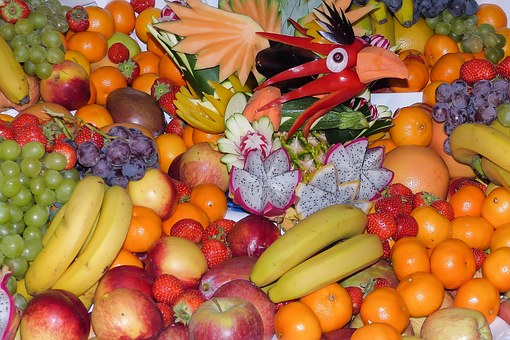
In an ideal world, we would get everything that we need from our food. However, due to factors such as the degeneration of our soil quality and the rise in environmental chemical toxicity, our food no longer contains adequate levels of these essential nutrients.
It can be difficult to obtain the required vitamins and minerals to keep our bodies healthy, through diet alone. So supplementation is a good way to help top up our levels. In fact, a recent study revealed that you will recover from a cold 40 per cent quicker if you take zinc supplements.
Before resorting to expensive supplementation, it is crucial to address your basic dietary and life style considerations. Ensuring that the majority of your diet consists of fresh, unprocessed foods, drinking enough fresh clean water to stay optimally hydrated, and regular exercise all play a role in keeping our body at their peak. But if your lifestyle is less than perfect and your diet has more processed food than it should do, then high quality supplements will help to boost your levels of vital nutrients.
This article gives some of the most common vitamin and mineral deficiencies and how to effectively boost your levels of these vital nutrients through food. But bear in mind that these visual symptoms on their own only provide an indication of a nutritional deficiency, not a diagnosis.
Iron Deficiency
Iron is needed to make red blood cells. It is a component of hemoglobin, which transports oxygen round the body.
Symptoms: Tiredness, poor concentration, poor appetite, pale skin, dark circles under the eyes.
An iron deficiency is the most common nutritional disorder, according to studies presented recently at the National Conference on iron Deficiency in Infancy and Childhood. It affects up to 18 per cent of women due to blood loss through menstruation.
Others who may be deficient include people who suffer minor bleeding in the intestines, such as those with a peptic ulcer or who take aspirin.
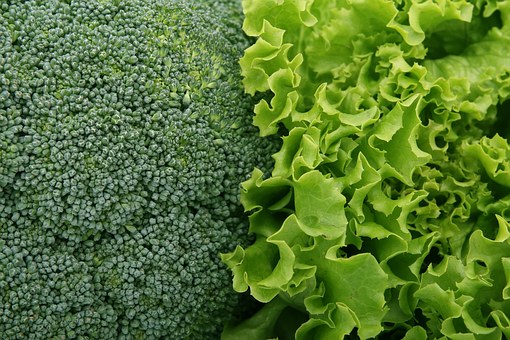
Good Sources: Red meat, eggs, green leafy vegetables. Vitamin C helps the absorption of iron, so it's a good idea to drink a glass of orange juice with a meat-based meal.
Zinc Deficiency
Zinc helps to make new cells and enzymes and is essential for wound healing. It has also been linked to healthy sperm production.
Symptoms: Itchy skin, poor wound healing, white marks on nails.
The World health Organization estimates a third of the global population is zinc-deficient.
Iron supplements hinder zinc absorption, and cereals containing chemicals called phytates also block absorption when eating zinc-rich food.
Good Sources: nuts, seeds, wholegrains, crab, sardines and red meat.
Vitamin D Deficiency
Vitamin D is vital for bone growth and helping the absorption of calcium in the gut. It is also important for a healthy immune system.
Symptoms: Back, leg or hip pain, brittle bones.
A recent survey showed more than half of the adult population has insufficient levels of vitamin D. Those more at risk of a deficiency include the elderly and young children.
Good Sources: Dietary sources are poor; the most readily available source is sunlight on the skin.
Selenium Deficiency
The mineral selenium boosts immunity, protects cells from damage and is linked to helping fight cancer.
Selenium is also associated with male fertility ? a study by the University of Padua in Italy found that a diet low in selenium was linked to affecting the quality of a man's sperm.
Symptoms: Frequent infections or frequent bouts of ill health.
Selenium is a trace mineral so it is only required in small amounts.
Good Sources: Brazil nuts are an excellent source of selenium. A few nuts a day is all that is required to boost your levels.
Magnesium Deficiency
Magnesium is essential for the maintenance of bones and teeth, which use 60 per cent of our body's total magnesium content. It also helps convert the food we eat to energy, and this metallic element is vital for the transmission of nerve impulses, the contraction of muscles and the regulation of body temperature.
Symptoms: anxiety and over-irritability. Premenstrual women and the elderly in particular, need magnesium to maintain healthy bones.
Good Sources: spinach is an excellent source of magnesium. This mineral is also found in almonds and seeds.
Vitamin A Deficiency
Vitamin A helps to fight infections, boosts vision in dim light and keeps skin healthy.
Symptoms: Mouth ulcers, frequent colds and infections, flaky skin, dandruff.
Severe deficiencies of Vitamin A are rare, but low intakes are relatively common in adults.
Pregnant women are advised not to take supplements containing Vitamin A or eat liver (which is high in the nutrient) because it has been linked to an increased risk of birth defects.
Good Sources: Liver, eggs, cheese and yoghurt.
Nutritional supplements
When buying vitamin and mineral supplements, stay away from cheap supplements from supermarkets and other large stores. These are usually synthetic and contain artificial additives, sweeteners and fillers, and are usually "isolates"- the isolated forms of the nutrient. Your body will only absorb a small percentage of an isolate form of vitamins and minerals, and utilize even less.
Look instead for supplements that are as close as possible to their natural form, or preferably wholefood supplements. Make sure they are clearly labeled as being though vigorous testing for quality control and potency, and that they contain no additives or artificial fillers.
Link to this article: Show: HTML Link • Full Link • Short Link
Share or Bookmark this page: You will need to have an account with the selected service in order to post links or bookmark this page. 


|
Subscribe via RSS or email: Follow us through RSS or email. Click the RSS icon to subscribe to our feed. 

|
Related Articles:
- Nutrients and Superfoods for Healthy Skin
- Vitamin D and Its Benefits for Depression
- Vitamin D - A Gene-Regulating Super Nutrient
- Higher Vitamin D Levels in Blood Associated With Lower Cancer Incidence
- Parkinson's Link to Vitamin D Deficiency
- Nutrition Basics: Know Your Minerals: Iron
- Nutrition Basics: Know Your Minerals: Zinc
- What Foods Are Good For Your Eyesight?
You must be registered and logged in to comment.

Most Popular


Latest Articles




Popular Subjects
Health, fitness and longevity
Based upon the principles of health
in the Qur'an and Prophetic Traditions.
HealthyMuslim.Com
There are two bounties in which
most people lose out: good health
and free time. Al-Bukhari.