Thursday, 17 May 2012    HomeAbout UsContact Us    


You are here: Home Nutrition
The Amazing Benefits of Coconut Oil As A Food and Medicine
Posted by SoundHealth, in Nutrition
Topics: Coconut Coconut Oil

  Mail To Friend    Printer Friendly Bookmark and Share

Coconut oil possesses remarkable healing properties and has been used as both a food and medicine around the world for centuries. Modern research has confirmed the effectiveness of this amazing oil for a wide range of health problems. When used regularly, either as a supplement, used in cooking, or applied directly on the skin, coconut oil has been found to help prevent against diseases like cancer and heart disease, strengthen the immune system, promote weight loss, improve digestion, combat premature aging of the skin, and many other ailments, as well as boost overall health and wellbeing.

The fatty acids found in coconut oil are digested and metabolized differently from those of other fats. This difference gives the oil many health benefits not obtained from any other source. The medium-chain triglycerides (types of fats present in the blood) in coconut oil don't require pancreatic enzymes or bile for digestion. This makes them easier to digest, especially for infants and those with digestive problems.

Coconut oil provides a quick and easy source of nutrition without taxing the enzyme systems of the body. It also improves the absorption of minerals, particularly calcium and magnesium, and vitamins like B-vitamins and the fat soluble vitamins, as well as some amino acids.

Coconut oil Aids weight loss

The medium-chain fatty acids in coconut oil are used by the body to produce energy, not make body fat. Coconut oil stimulates metabolism, increases energy, and improves thyroid function, all which aid in reducing unwanted body fat. For this reason, researchers have recommended the oil as a means to prevent and even treat obesity.

Coconut oil is heart Healthy

This healing oil does not negatively affect blood cholesterol, nor does it promote platelet stickiness that leads to blood clot formation, and it does not collect in the arteries.

Coconut oil possesses anti-inflammatory, anti-microbial, and antioxidant properties, all which protect arteries from atherosclerosis and from heart disease. Those people around the world who consume the most coconut oil have been found to have the lowest rates of heart disease.

Coconut oil Is A Powerful Healer

Coconut oil's medium-chain fatty acids possess powerful antimicrobial properties that kill a variety of disease-causing bacteria, fungi, viruses, and parasites, but at the same time they do not harm friendly gut bacteria or contribute to antibiotic resistance.

Because of its resistance to free-radical formation and its ability to support the immune system, coconut oil is useful in preventing or treating a wide range of conditions, and new health benefits associated with coconut oil are being discovered all the time.

How to Use coconut oil

To enjoy the benefits of coconut oil:

  • Use coconut oil in your cooking - simply use it in place of other oils, for frying and baking.

  • Eat coconut and coconut products as a regular part of your diet - add a tablespoon or more of coconut oil to any warm beverage like herbal tea, warm milk or even warmed vegetable juice.

  • Apply coconut oil directly onto your skin and hair to absorb its healing benefits directly into the body.

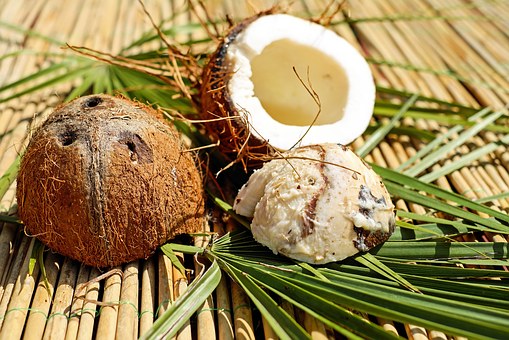
Fresh coconut

Another good way of adding this health-promoting oil to the diet is by eating the flesh of the fruit or seed, or from drinking coconut milk. Fresh coconut meat is about 33 percent oil, whilst dried coconut is also a good source of coconut oil.

Coconut, both fresh and dried, is a good source of fiber, which is needed for proper digestive function. Shredded, dried coconut provides three to four times as much fiber as the equivalent weight of most fruits and vegetables. Coconut also contains as much protein as an equivalent amount of green beans, carrots, and most other vegetables.

Dried and shredded coconut is the most common form of coconut available in stores. The fat content and nutritional content is about the same in both dried and fresh coconut.

Coconut Milk

Coconut milk is not the liquid that is found inside the coconut - this liquid is called "coconut water", which is also a nutritious beverage. Coconut milk is a manufactured product made from the flesh of the coconut. It is made by mixing water with grated coconut, squeezing and extracting the pulp, leaving only the liquid. It is a pure white substance with a thick, creamy texture, and is available canned in food stores.

Coconut milk contains between 17 and 24 percent fat, so it is a good source of coconut oil and has similar health benefits. Coconut milk makes a good substitute for dairy milk and cream, and can be used in both savory dishes like soups, curries and sauces, and for desserts.


Link to this article:   Show: HTML LinkFull LinkShort Link
Share or Bookmark this page: You will need to have an account with the selected service in order to post links or bookmark this page.


Subscribe via RSS or email:
Follow us through RSS or email. Click the RSS icon to subscribe to our feed.


Related Articles:
Add a Comment
You must be registered and logged in to comment.



Visit Vaccines.Me for information and education on vaccination.


Topics
General
Nutrition
Disease
Body
Mind
Fitness
Weight Loss
Pregnancy
Children
Recipes
Prophetic Medicine
News

Latest Articles
End the War on Fat: It Could Be Making Us Sicker
Chia Seeds: An Excellent Source of Omega-3 Fats and More
Some Amazing Facts About Sweet Potatoes
Eating Fish Reduces Risk of Alzheimer's Disease, Study Finds
Artichoke Leaf Extract Reduces Symptoms of Irritable Bowel Syndrome and Improves Quality of Life Dyspepsia Sufferers
Phenolic Compounds From the Leaf Extract of Artichoke (Cynara Scolymus L.) and Their Antimicrobial Activities
Artichoke Leaf Extract Reduces Mild Dyspepsia in an Open Study
The Mineral Selenium and Its Anti-Tumor Properties
Imaam Al-Shaafi'ee on the Importance of Learning Medicine
What Are Probiotics and Prebiotics and Why They are Vital For a Healthy Gut

Pages
No pages found.

Most Popular
How To Eat Fruit Properly
Garlic, Honey and Apple Cider Vinegar: Must Have Excellent Home Remedy
Five Superfoods You Should Be Eating Everyday
Deodorant And Anti-Perspirant Dangers - Do You Know What You're Putting Under Your Armpits?
What Foods Are Good For Your Eyesight?
Foods for Healthy Hair
Why We Need Protein in our Diets
The Different Kinds Of Exercises Your Body Needs
Flax Seed, Black Seed Oil and Honey Oat Porridge - Absolutely Great For Your Health
Are You Drinking Living Milk Or Dead Milk?

Archives (View more)
2012 • January
2011 • December
2011 • November
2011 • October
2011 • September
2011 • August
2011 • July
2011 • June
2011 • May
2011 • April
2011 • March
2011 • February


Key Topics
acidacid alkaline balanceacneacrylamideadditivesadrenalinaerobic exerciseageingage-related macular degenerationagingairair fresheneralfalfaalfalfa sproutsalkalineallergiesallergyallicinalmondsaloealoe veraalopeciaalpha-caroteneal-shafi'ial-tibb al-nabawialum stonealuminiumalzheimer'samino acidsanaemiaanthocyanidinsanthocyaninsanti-agingantibacterialanti-bacterialantibioticantibioticsantifungalantimicrobialanti-microbialantiobioticantioxidantantioxidantsanti-perspirantantisepticantiviralanxietyappendicitisappleapple cider vinegarapricotapricotsarthritisartichokearugulaascorbic acidasparagusaspartameassimilationasthmaatopic dermatitisaubergineautismavocadoavocadosbabiesbacteriabananabarleybarley grassbasilbathroombeansbee pollenbeesbeetbeetrootbeetsberriesbeta-carotenebeveragesbioflavonoidbioflavonoidsbisphenol abitter melonblack pepperblack seedblack seed oilblack teablackberriesblackcurrantbloodblood pressureblood sugarbloodlettingblueberriesblueberryblue-green algaebodybody phbone healthbonesborage oilbowel cancerbrainbrain cancerbrazil nutbreadbreast cancerbreast feedingbreastfeedingbreathingbroccolibromelainbrown ricebrussel sproutsbrussels sproutsbuckwheatbudwig protocolburnsbutterbutternut squashcabbagecacaocaffeinecalciumcaloriescamel's urinecancercandidacandida albicanscandidiasiscantaloupe meloncarbohydratecarbohydratescarcinogenscardamomcardiovascularcardiovascular diseasecarobcarotenoidscarpal tunnel syndromecarrotcashew nutcataractscauliflowercavitiesceleriaccelerycell phonechamomilechardchdcheesecherrieschia seedschickpeaschicorychildrenchili pepperchillichlorellachlorophyllchocolatecholesterolcholestrolchromiumchronic illnesscilantrocinnamoncitroncitrus fruitclarified buttercleanerscloveclovescocoacoconutcoconut oilcodex alimentariusco-enzyme q10coffeecolacoldcold flucold sorecoldscoliccolon cancercolorectal cancercombining foodscommon coldcompostconcentrationcondimentscontagioncookwarecoriandercorncos lettucecottage cheesecoughcough medicinecourgettecouscouscranberriescresscruciferouscruciferous vegetablescucumbercumincuppingcurcumincuredandruffdark chocolatedatesdehydrationdementiadeodorantdepressiondetoxdetoxifyingdhadiabetesdietdigestiondigestive cyclesdipsdiseasedopaminedried fruitdry cuppingdry eyesdry skindust mitesdyspepsiaeating habitsechinaceaeczemaeggeggplanteggsemfendiveenergyenergy saving light bulbsenzymesepaesophageal canceressential fatty acidsessential oilexcitotoxinexerciseeye exerciseseye healtheyesightfalafelfastingfatfatsfatty acidfatty acidsfennelfenugreekfermentationfertilityfiberfibrefigfishfitnessflavonoidflaxflax oilflax seed oilflax seedsflaxseed oilfluflu vaccinefluoridated waterfluoridationfluoridefluoride-free toothpastefluorosisfolatefolic acidfood additivesfood combinationfood combiningfood digestibilityfood poisoningformaldehydefree radicalsfructosefruitfungal infectionsgalengarbanzo beansgardeninggarlicgenisteingenotoxingheegingerginsengglucosamineglucoseglutamineglutathioneglycationglycemic indexgoji berrygoutgraingrainsgrapefruitgrapesgray hairgreen beansgreen leafy vegetablesgreen teaguavagum diseasegumshairhair losshappinessharirahazelnutheadachehealinghealthheartheart attackheart diseaseheart healthheartburnheart-diseaseheavy metalshennahepatitis bherbshigh blood pressurehigh fructose corn syruphigh fructrose corn syruphijaamahhijamahimalayan crystal salthinahippocrateshomogenized milkhoneyhormoneshousehold productshouseplantshummushyperactivityhypertensionimmune systemindigestioninfectioninfectionsinfectious diseaseinfertilityinflammationinflammatory responseinfluenzainsomniaintelligenceintestinesintoxicantsiqironirritable bowelirritable bowel syndromejohanna budwigjointsjuicejuicerjunk foodkalekidney diseasekiwikiwifruitlactic acid bacterialactobacilli plantarumlavenderlawsonia inermisleekslegumeslemonlemon-grasslentil souplentilslifespanlimelinseedlinus paulinglive longliverlong lifelonger lifelongevitylung cancerluteinlycopenemagnesiummaizemangomanuka honeymargarinemarjorammeatmedical industrymedicinal treatmentmedicinemelonmemorymenopausemenstruationmental healthmercurymetabolismmigrainemigrainesmilkmilletmindmineralmineralsmintmiswakmmrmobile phonemoldmonosaturated fatmonosodium glutamatemonounsaturated fatmonounsaturated fatsmoodmouthmsgmusclemusclesmushroommustardmustard seedsmyrtlenailsnatural healthnatural medicinenauseanervous systemneurotoxinnigella sativanigella seedsnight shiftnutnutmegnutritionnutritional deficiencynutsoatsobeseobesityoilolive oilolivesomega-3omega-3 fatty acidsomega-6omega-9oniononionsoracorangeoreganoorganicorganic gardeningorganic honeyosteoarthritisosteoporosisovarian canceroverweightoxidantspancreatic cancerpapainpapayaparabensparkinson's diseaseparsleypassion fruitpastapasteurizationpasteurized milkpatiencepeanutspearpeaspecan nutpecan nutspeppercornpeppermintpeppersperfluorinated chemicalsperppermintpersonal carepersonal care productspesticidespestspfoaphpharmaceutical industryphenylalaninephosphatephospholipidsphosphorusphytochemicalsphytonutrientspine nutpineapplepistachio nutplumspollutionpolyphenolspolyunsaturated fatpolyunsaturated fatspolyunsaturated fatty acidspomegranatepomegranate juicepopcornporridgepostnatal depressionpostpartum depressionposturepotassiumpotatopotatoesprebioticprebioticspregnancypremenstrual syndromeprobioticprobioticsprophetic medicinepropolispropylene glycolprostate cancerproteinprunespsoriasispufapulsespumpkinpumpkin seedsquarkquincequinoaqur'aanquranradiationradishraisinsramadanrapid eye movementraspberriesraw honeyraw milkred blood cellsred cabbagerefined grainrespiratory problemsresveratrolretinolrhubarbricericketsrocketromaine lettucerooibus tearosemaryroyal jellyrunningsaffronsagesaladsalmonsaltsaturated fatsaturated fatssauerkrautschizophreniaseedsseleniumsemolinasennaserotoninsesame oilsesame seedsshellfishsilicasinusitissiwakskeletonskinskin cancerskincareskippingsleepslssnacksodasodiumsodium benzoatesodium fluoridesodium lauryl sulfatesoft drinkssoupsour cabbagespicesspinachsprirulinasproutsproutingsproutssquashst johns wortstarchstimulantsstrawberriesstressstrokesucralosesucrosesugarsulfur dioxidesulphursunsunflower seedssunlightsuperfoodssupplementssweet potatosweetcornsweetenerswine fluswiss chardtahinitalbinatangerinetaste budsteatea tree oilteethteflontendinitistension headachethimerosalthinkingthyroid diseasetomatotooth decaytoothpastetoxictoxic chemicalstrace elementstrace mineralstrans fattriclosanturmerictype 2 diabetestype-1 diabetestype-2 diabatestype-2 diabetesubiquinolunlawful medicineunpasteurised milkvaccinationvaccinationsvaccinevaccine damagevaccinesvegetablesvinegarviral infectionsvisionvitaminvitamin avitamin bvitamin b12vitamin b6vitamin cvitamin dvitamin evitamin kvitaminswalkingwalnutwaterwater fluoridationwater fluoridatoinwatercresswatermelonweightweight gainweight losswet cuppingwheatwheatgermwheatgrasswhole grainwhole grainswild salmonwinteryeat overgrowthyoghurtzeaxanthinzinczucchini
Copyright © 2012 . All rights reserved. RSSTagsPrivacyLegal and Terms of Use