
Eating Berries Helps Keep the Brain Young, Study Finds
© HealthyMuslim. See Terms and Conditions
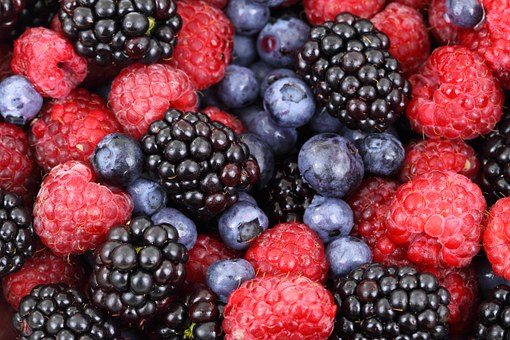
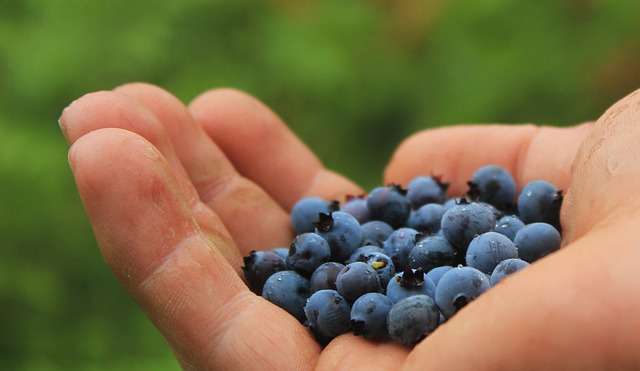
A new study, presented in Boston at the 240th National Meeting of the American Chemical Society (ACS), concluded these berries - and possibly walnuts - trigger a "housekeeper" mechanism in the brain. This results in the body 'cleaning up' and recycling certain cells linked to age-related memory loss, dementia and other mental decline, keeping the mind sharp in old age.
One of the scientists who presented the report pointed out that earlier studies have suggested that as most people age, there is a decline in the body's ability to protect itself against inflammation which, in turn, causes oxidative damage. This leaves people vulnerable to degenerative brain diseases, heart disease, cancer, and other age-related disorders.
"The good news is that natural compounds called polyphenolics found in fruits, vegetables and nuts have an antioxidant and anti-inflammatory effect that may protect against age-associated decline," He said in a statement to the media.
Their past studies, for instance, showed that old laboratory rats fed for two months on diets containing 2 percent high-antioxidant strawberry, blueberry, or blackberry extract showed a reversal of age-related deficits in nerve function and behavior that involves learning and remembering.
Study Details
For the new research, the scientists focused on another reason why nerve function declines with aging. It involves a reduction in the brain's natural house-cleaning process. Cells called microglia are the housekeepers. In a process called autophagy, they remove and recycle biochemical debris that otherwise would interfere with brain function.
"But in aging, microglia fail to do their work, and debris builds up," one of the authors explained.
"In addition, the microglia become over-activated and actually begin to damage healthy cells in the brain. Our research suggests that the polyphenolics in berries have a rescuing effect. They seem to restore the normal housekeeping function. These findings are the first to show these effects of berries."
Using cultures of mouse brain cells, they found that extracts of berries inhibited the action of a protein that shuts down the autophagy process.
The researchers highlighting the importance of eating foods rich in phytochemicals known as polyphenolics, and that it is best to consume whole fruit, which contain the full range of hundreds of healthful phytochemicals, when possible.
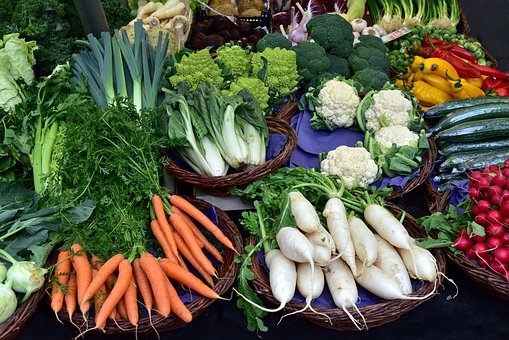
Berries and walnuts are rich sources of polyphenols, but many other fruits and vegetables also contain these chemicals - especially those with deep red, orange, or blue colors. Those colors come from pigments called anthocyanins and other foods rich in these health-promoting antioxidants include aubergines, beetroot, red cabbage and plums.
Link to this article: Show: HTML Link • Full Link • Short Link
Share or Bookmark this page: You will need to have an account with the selected service in order to post links or bookmark this page. 


|
Subscribe via RSS or email: Follow us through RSS or email. Click the RSS icon to subscribe to our feed. 

|
Related Articles:
- Blueberries are Packed with Antioxidants
- Cutting Back on Calories May Improve Memory
- Low Carbohydrate Diet May Affect Brain Function
- Make Your Own Energising Juices
- Grow Your Own Organic Fruit and Vegetables: Blueberries
- Amazing Overall Health Boosting, Brain Powering Omega-3 Flax Oil-Protein Recipe From The Budwig Protocol
- Five Superfoods You Should Be Eating Everyday
- Green Tea, Blueberry and Raspberry Fruit Extracts Touted as Potential Cancer Fighters
- Superfoods For Your Brain
You must be registered and logged in to comment.

Most Popular




Latest Articles








Popular Subjects
Health, fitness and longevity
Based upon the principles of health
in the Qur'an and Prophetic Traditions.
HealthyMuslim.Com
There are two bounties in which
most people lose out: good health
and free time. Al-Bukhari.