
Almonds Are A Top Food For Preserving Health
© HealthyMuslim. See Terms and Conditions
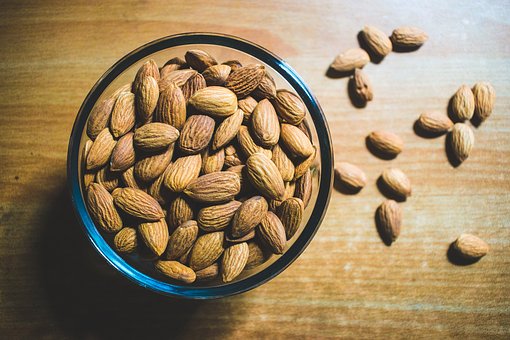
The great scholar Ibn al-Qayyim in his Prophetic Medicine mentioned that combining almonds with dates or figs was especially beneficial.
Almonds are the seeds of a fruit tree that is related to the rose family. There are two varieties: sweet and bitter almonds, but the most commonly eaten are the sweet ones.
Almonds contain a variety of antioxidants including the flavonoids quercetin and kaempferol, which are associated with preventing cancer cell growth and reducing risk factors for heart disease. They also provide laetrile, a powerful tumor-fighting compound, and are rich in zinc, which helps to build a strong immune system.
Almonds are an excellent skin food, providing Vitamin E and zinc, which are both crucial for a healthy complexion.
Almonds and weight Loss
Almonds may seem like an odd weight-loss choice because they contain quite a lot of fat. But when scientists put two groups of people on low-calorie diets, one of which included almonds, the almond-eating group lost 50 percent more weight and fat than the others.
Almonds are rich in mono-unsaturated fat, which helps you fell fuller for longer, and their high fiber content helps to keep blood-sugar levels steady and prevent hunger pangs. A dozen almonds contain just 90 calories along with a burst of protein and nutrients that combine to increase energy levels.
Almonds and Diabetes
Findings of a recent study show that an almond-rich diet was associated with preventing diabetes. Researchers found that the nuts helped improve insulin sensitivity and decrease LDL-cholesterol levels in those with pre-diabetes, a condition in which people have blood glucose levels higher than normal but not high enough to be classified as diabetes.
The abstract of the study concluded:
Conclusions: An American diabetes Association (ADA) diet consisting of 20% of calories as almonds over a 16-week period is effective in improving markers of insulin sensitivity and yields clinically significant improvements in LDL-C in adults with prediabetes. Wien M, Bleich D, Raghuwanshi M, et al. Almond consumption and cardiovascular risk factors in adults with prediabetes. J Am Coll Nutr. 2010 Jun;29(3):189-97.
Tips For Using Almonds
- Instead of eating empty calorie, sugary snacks, nibble on a small handful of almonds for a source of essential fatty acids and vital minerals.
- Almonds are a versatile food that can be used whole, ground up, sliced or roasted.
- Grind up almonds to make almond flour, and use as a gluten-free substitute for wheat flour in baking.
- Almond milk is a nutritious drink that makes an excellent alternative to cow's milk.
Link to this article: Show: HTML Link • Full Link • Short Link
Share or Bookmark this page: You will need to have an account with the selected service in order to post links or bookmark this page. 


|
Subscribe via RSS or email: Follow us through RSS or email. Click the RSS icon to subscribe to our feed. 

|
Related Articles:
- Nutrients and Superfoods for Healthy Skin
- Food Combining for Optimum Nutrition: The Basics
- Why We Need Protein in our Diets
- Almonds Can Control Weight
- Chamomile Tea May Ease Diabetic Symptoms
- Stay Healthy by Boosting Your Immune System
- High Fibre Diet Supports Weight Loss
- What Foods Are Good For Your Eyesight?
- How To Make Almond Milk
You must be registered and logged in to comment.

Most Popular




Latest Articles






Popular Subjects
Health, fitness and longevity
Based upon the principles of health
in the Qur'an and Prophetic Traditions.
HealthyMuslim.Com
There are two bounties in which
most people lose out: good health
and free time. Al-Bukhari.