
10 Foods to Eat Regularly For Better Health That Are Widely Available
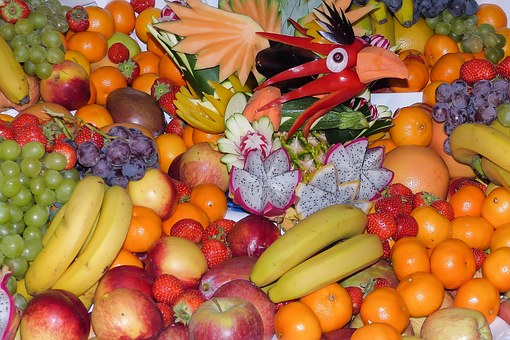
Here are ten superfoods that are readily available for most of the year, and which should be incorporated into your diet on a daily or weekly basis. Try to eat as many of them organic and unprocessed as possible.
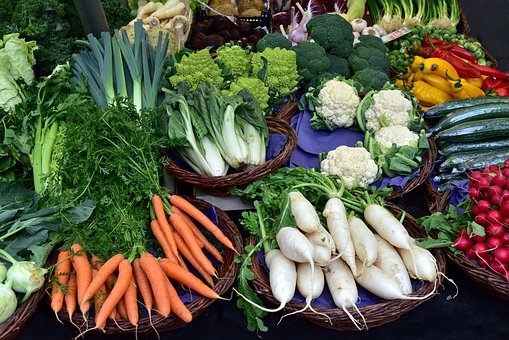
- Green Leafy vegetables
Green leafy vegetables are so readily available and so highly nutritious, but many of us do not eat enough of them. Studies continuously confirm that populations that eat a diet high in green leafy vegetables run a far lower risk of heart disease and cancer.
Green leafy vegetables like spinach and kale have the highest concentrations of easily digestible nutrients, fat-burning compounds, vitamins and minerals to protect and heal the body. They beneficial substances include proteins, protective chemicals and healthy bacteria which help to build strong muscles and tissues, aid the digestive system and protect against disease and illness more effectively.
These vegetables are also rich in chlorophyll - the pigment that gives plants their green color. The molecular structure of chlorophyll is very similar to that of human blood and studies show that when it is consumed, the production of hemoglobin in blood is increased. Higher amounts of hemoglobin in the bloodstream means more oxygen-rich blood, the first and most important element that cells need to thrive.
Juicing is a great way to incorporate green vegetables into your diet. Freshly made juice provides the body with an instant boost of vitamins, minerals and enzymes without having to be broken down.
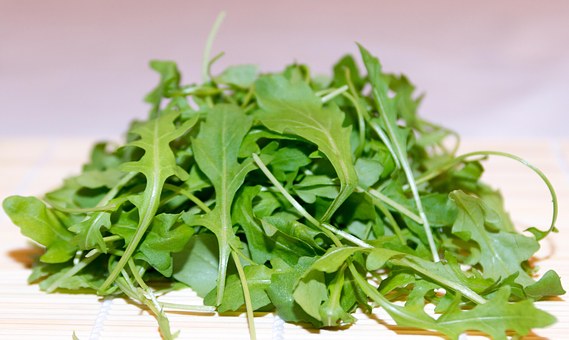
Some green leafy vegetables to try are: rocket, spinach, kale, watercress, parsley, lettuce, chicory and wheatgrass.
- Blueberries
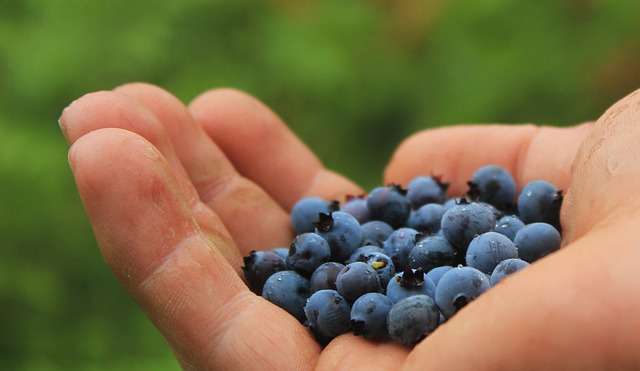
Blueberries are top of the list for antioxidant activity - they rich in compounds that help protect the cells of the body against damage, including the heart, and are associated with inhibiting the growth of cancer cells.
Studies suggest the dark pigments called anthocyanins found in blueberries, protect against neurodegenerative diseases like Alzheimer's and Parkinson's, and they are linked to slowing down and even reversing age-related memory loss.
Blueberries have extremely high levels of resveratrol, a flavonoid that protects the body against inflammation and boosts the immune system.
Sprinkle fresh blueberries onto breakfast cereal or in a fruit salad, or whiz them up in a blender with yoghurt for a tasty smoothie.
- Coconut oil
Coconut oil is a saturated fat of the medium-chain fatty acid variety. These types of fats are digested more easily and utilized differently by the body than vegetable oils. Half of the fat content in coconut oil is lauric acid, a fat rarely found in nature that has unique health promoting properties. The body converts lauric acid into monolaurin, which has anti-viral, anti-bacterial, anti-fungal and anti-protozoa properties.
Coconut oil has been found to actually speed up metabolism so your body will burn more calories in a day, which will contribute to weight loss.
Coconut oil is the ideal choice for all types of cooking. It is the only oil stable enough to withstand mild heat-induced damage. To incorporate this health-promoting oil into your diet, use coconut oil when frying or baking, or just eat a tablespoon daily in a hot drink or on its own.
- Free Range eggs
Free-range eggs are a relatively inexpensive, widely available and amazing source of high-quality nutrients, especially high-quality protein and fat. A single egg contains nine essential amino acids and one of the highest quality proteins available. Proteins are essential to the building, maintenance and repair of body tissues and are also the major components of the immune system and hormones. Eggs also provide lutein and zeaxanthin, for healthy eyes, and choline and vitamin B12 for the brain, nervous- and cardiovascular system.
Make sure that your eggs are as fresh as possible, free-range and preferably also organic. Some healthy ways to enjoy eggs are lightly boiled or poached.
- sweet potato
Sweet potatoes are an excellent source of Vitamin A and Beta-carotene, as well as a good source of many other nutrients. Sweet potatoes contain unique root storage proteins that have been observed to have significant antioxidant capacities. In one study, these proteins had about one-third the antioxidant activity of glutathione - one of the body's most impressive internally produced antioxidants.
The intensity of the sweet potato's yellow or orange flesh color is directly correlated to its Beta-carotene content. The Beta-carotene in orange-fleshed sweet potatoes is in the form which our bodies can use to produce Vitamin A and is therefore called 'Provitamin A'.
The antioxidant activity in the sweet potato skin is almost three times higher than in the rest of the vegetable, so always eat this vegetable with the skin on. Try roasting it in the oven like a jacket potato.
- almonds
Raw nuts, and especially almonds are a great wholefood that contain mostly polyunsaturated and monounsaturated fats, which are good fats that promote health. Almonds are rich in phytochemicals - plant components that promote heart health, and are one of the top sources of the cancer-preventing antioxidant Vitamin E. Of all the nuts, almonds contain the most calcium and weight for weight, a third more protein than eggs.
Almonds are low in calories and high in protein and fiber. They also provide laetrile, a powerful tumor-fighting compound, and are rich in zinc, which helps to build a strong immune system.
As an added bonus, almonds are an excellent skin food through their high concentrations of Vitamin E and zinc, which are both crucial for a healthy complexion.
Many of the almonds available in the US are pasteurized, which makes them neither "raw" nor healthy. Try to purchase raw almonds in small quantities that you will use up quickly, to avoid them becoming rancid.
- avocado
Avocados are an excellent source of healthful raw fat, in fact they are one of the few fruits that contain fat. Research has found that adding naturally fatty foods such as avocados to the diet is associated with optimal nutrient absorption. Eating an avocado with another salad or vegetable results in the body absorbing four times more lutein, eight times more alpha-carotene, and 13 times more Beta-carotene, which are all excellent nutrients for eyes.
These creamy fruits are also rich in tryptophan, along with vitamin B6 and folic acid, which helps the body turn tryptophan into the feel-good chemical serotonin, helping to elevate mood and ward off depression.
Mashed avocado is easy to digest, and is also a rich source of natural antibiotic and antifungal chemicals.
- broccoli
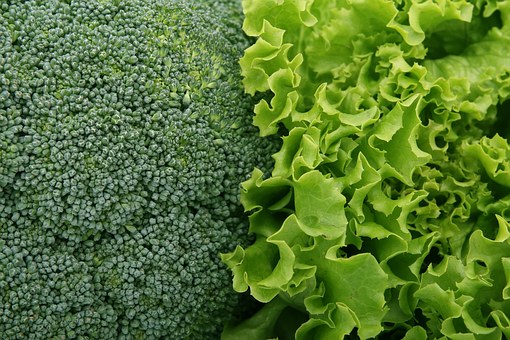
Broccoli is rich in vitamins, minerals and fiber and it packs a more powerful nutrient punch than any other vegetable. Its high Vitamin C levels are crucial for a healthy immune system, and it is a very rich source of Beta-carotene, which is known to play a vital role in the development of many types of cancers.
Broccoli is an example of a cruciferous vegetable (other crucifers include cauliflower, kale, radishes, cabbage, spring greens). According to an analysis conducted by the US National cancer Institute, the more cruciferous vegetables consumed, the lower your chances of developing cancer of the colon, and other cancers appeared to slow down as well. A number of chemical compounds in broccoli have been identified which are responsible for its cancer-fighting potential. These include glucosinolates and isothiocyanates. UK scientists found that sulforaphane in broccoli works with cells which lack an anti-tumor gene to fight prostate cancer.
- wild salmon
Wild salmon and other oily fish have outstanding nutritional benefits, including very high levels of animal-based omega-3 fats, which many people are lacking in their diets. These fats have anti-inflammatory properties, help to preserve brain function and protect against numerous diseases like cancer, heart disease, and dementia.
The omega-3 found in oily fish is converted into prostaglandins which can help to counteract dryness and stiffness in the body by lubricating the joints, eyes and arteries. It also improves the condition of our hair by strengthening the roots and encouraging natural oil production.
Salmon contains a neurotransmitter called DMAE (dimethylaminoethanol). This is an antioxidant that is found in small amounts in the brain, and that stabilizes cell membranes and protects them from damage by free radicals. Wild salmon is an excellent source of high quality protein, as well as other vital vitamins and minerals needed for a healthy mind and body.
However, not all salmon is the same - farmed salmon does not have the same health benefits as wild salmon. Virtually all farmed fish available these days contains dangerously high levels of the toxic metal mercury and other contaminants like antibiotics and pesticides. A 2001 study in the UK revealed that farmed salmon contains up to 10 times the level of PCBs and dioxins (chemical pollutants and waste products which come from a variety of sources including plastics and insecticide residues, which are toxins that cannot be broken down so tend to build up to dangerous levels in the body), compared to wild salmon.
The best way to limit your intake of these toxins is to choose ocean caught fish like wild Alaskan salmon. Wild salmon has three times the amount of omega-3 oils as farmed varieties and higher antioxidant levels.
- Fermented foods
Fermented foods like sauerkraut offer remarkable health benefits. When foods such as cabbage are fermented, their digestibility and vitamin levels are enhanced. They produce useful enzymes as well as antibiotic and anti-carcinogenic substances. Fermented foods produce lactic acid, which not only preserves the fruits and vegetables, but also promotes the growth of healthy flora throughout the intestine.
Fermentation actually increases the levels of nutrients in the food, especially Vitamin C, and destroys harmful substances such as goitrogens, which are substances that can block the production of the thyroid hormone.
Sauerkraut is one of the few foods that contains the probiotic bacterium Lactobacilli Plantarum. This lactic acid-producing bacteria helps to balance of bacteria in the gastrointestinal tract and improves digestion, keeps pathogens at bay, guards against infectious illnesses and protects against many diseases of the digestive tract.
Store-bought sauerkraut and other fermented foods have often been heat treated and pasteurized, destroying the healthful bacteria that are the main reason for eating these foods in the first place. Look for freshly made sauerkraut that is labeled as 'raw', or better still, make it yourself at home.
Link to this article: Show: HTML Link • Full Link • Short Link
Share or Bookmark this page: You will need to have an account with the selected service in order to post links or bookmark this page. 


|
Subscribe via RSS or email: Follow us through RSS or email. Click the RSS icon to subscribe to our feed. 

|
Related Articles:
- Cancer-fighting Benefits of Combining Broccoli and Tomato
- Make Your Own Energising Juices
- Grow Your Own Organic Fruit and Vegetables: Blueberries
- Five Superfoods You Should Be Eating Everyday
- Green Tea, Blueberry and Raspberry Fruit Extracts Touted as Potential Cancer Fighters
- Superfoods For Your Brain
- How To Make Almond Milk
You must be registered and logged in to comment.

Most Popular





Latest Articles





Popular Subjects
Health, fitness and longevity
Based upon the principles of health
in the Qur'an and Prophetic Traditions.
HealthyMuslim.Com
There are two bounties in which
most people lose out: good health
and free time. Al-Bukhari.